What You Bring To A Riftbound Game
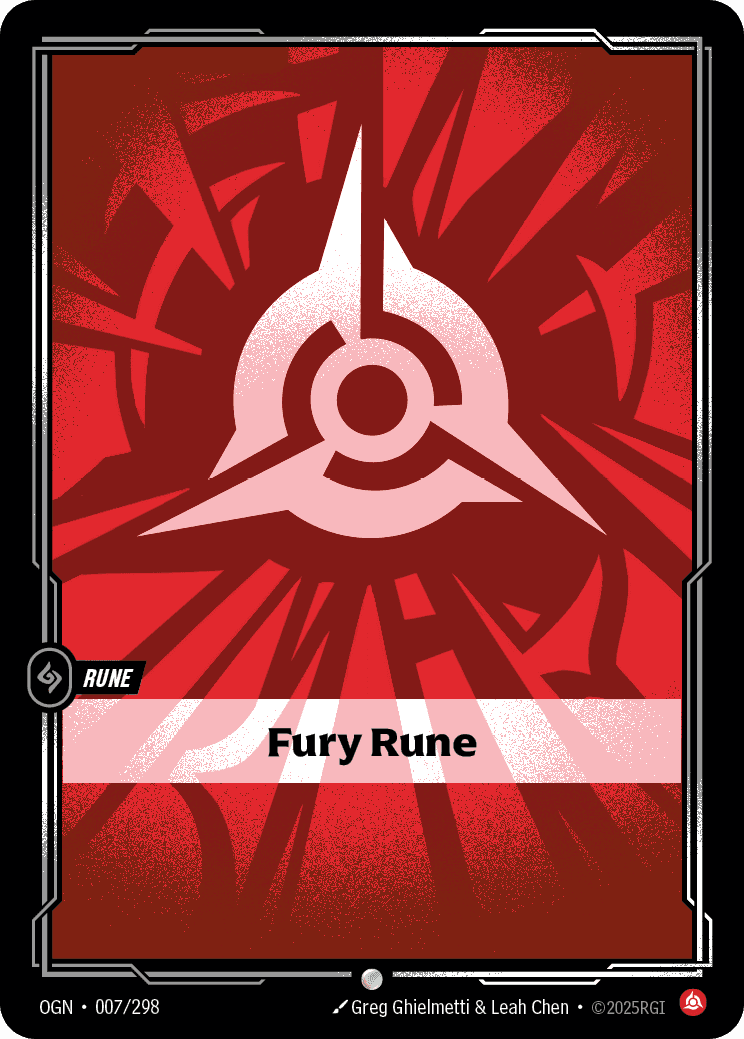
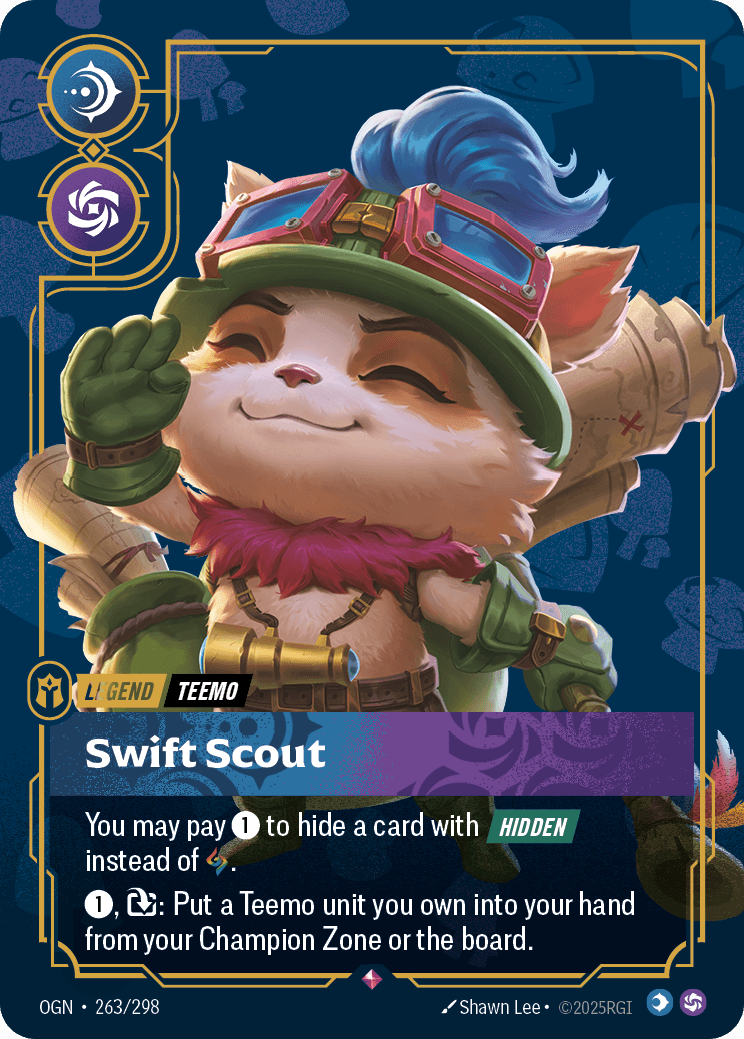
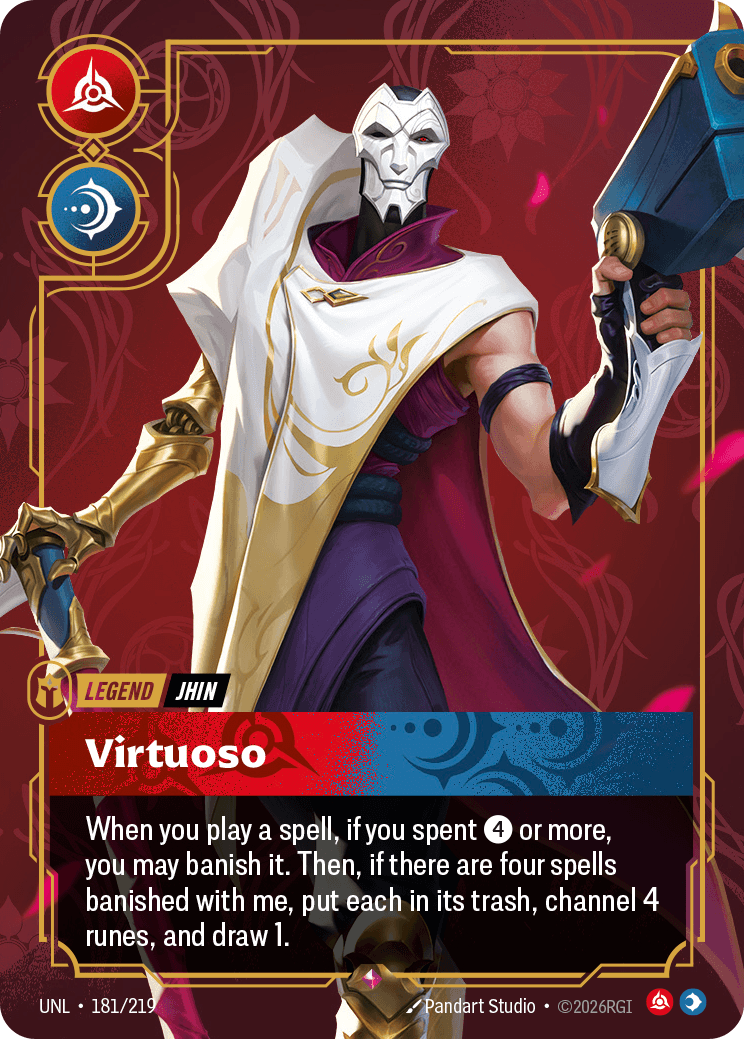
For normal constructed play, bring one Champion Legend, a Main Deck of at least 40 cards, a Rune Deck of exactly 12 runes, and the battlefields required by your mode. Your Champion Legend sets your domain identity, so your runes and deck choices need to stay inside that identity.
Your Main Deck can include your Chosen Champion Unit, units, gear, and spells. The normal deck-building limit is three copies of the same named card. That copy limit matters because it keeps a list consistent without letting one card take over the whole deck.
Champion Legend And Domain Identity
Your Champion Legend starts in the Legend Zone and defines the deck you are building. New players should pick a Champion Legend first, then build around the domains and play pattern that legend supports.
If you are not sure what to play, choose a simple plan. Tempo decks teach pressure, midrange decks teach combat, engine decks teach sequencing, and control decks teach patience.
Setup: Draw, Mulligan, And Start Playing
After players place their Champion Legend and Chosen Champion, set up the battlefields, shuffle decks, determine turn order, draw four cards, and decide whether to mulligan up to two cards. Then the first player begins.
A good opening hand usually has early plays, a clear domain plan, and at least one card that helps you contest a battlefield. If your hand only has expensive cards or no clear first turns, use the mulligan.
The Riftbound Turn Loop
Each turn starts by readying resources and handling beginning-of-turn effects, then checking scoring. After scoring, the active player channels two runes, draws one card, and moves into the Main Phase.
The Main Phase is where most learning happens. You play units, gear, and spells, move units toward battlefields, and decide whether you are setting up this turn's score or next turn's score.
Battlefields, Combat, And Showdowns
Battlefields are the center of Riftbound. When opposing units meet at the same battlefield, combat can happen. Action and Reaction timing matters because players get windows to answer important moments, especially during Showdowns.
When you are new, pause whenever a card says Action or Reaction and ask what state the game is in before playing it. That habit prevents most timing confusion.
How Scoring Works
You win by reaching the mode's Victory Score and being ahead of the opponent. Most early games come down to learning when to overcommit and when to leave a unit back. Conquer effects reward taking a battlefield now, while Hold effects reward staying there through the scoring window.
A beginner mistake is fighting over every battlefield equally. Instead, ask which battlefield actually changes the score, which unit matters next turn, and whether the opponent is baiting you into a bad fight.
Your First Riftbound Decks
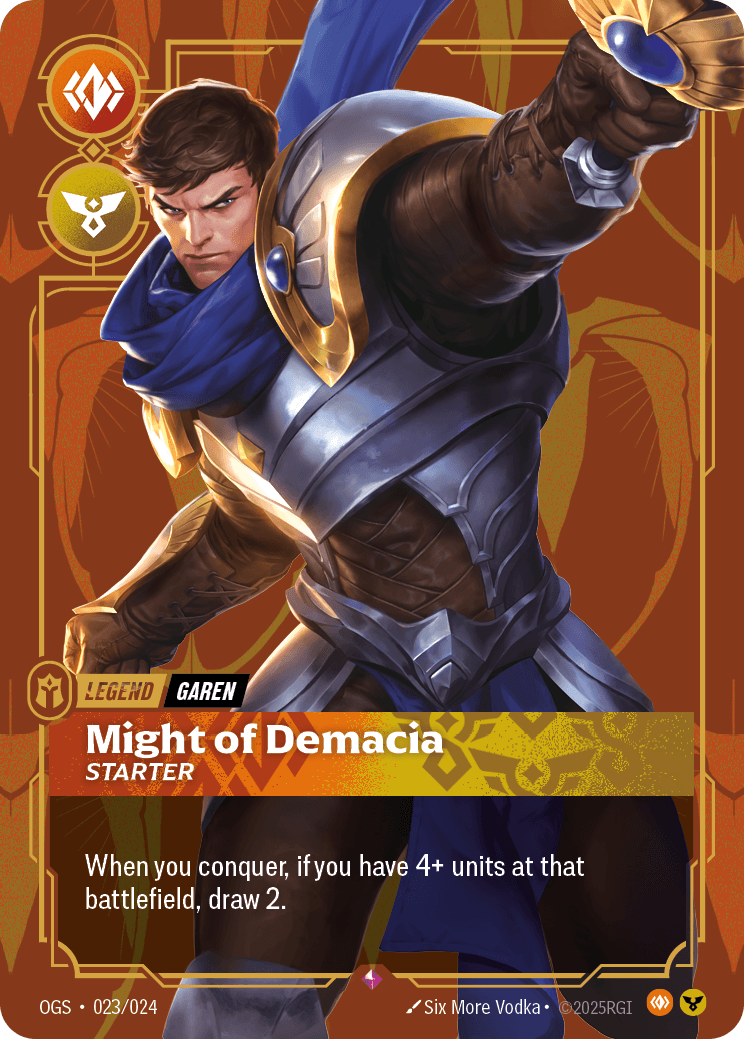
Start with one plan. The Proving Grounds trial decks use Master Yi, Lux, Garen, and Annie to teach defending, spell control, wide-unit pressure, and damage sequencing.
The four Riftstorm.gg trial decks match the learn-to-play PDF so new players can pick a style, open the list, and understand what the deck is trying to do before editing cards.
What To Learn Next
After your first few games, focus on three skills: counting available runes before committing, planning which battlefield matters one turn ahead, and reading Action or Reaction windows before the table moves on. Those three habits make every deck feel cleaner immediately.