Why Riftbound Players Need Connected Tools
Riftbound is a deck-building game before it is a posting game. Players search for cards, compare domains, check rules text, test a curve, publish a list, and then adjust after games. A useful Riftbound platform should keep those steps together.
That is the purpose of RiftStorm.gg: a Riftbound deck builder, card database, collection tracker, and community deck hub under one account. The site should answer practical searches like "Riftbound deck builder," "Riftbound card database," "Riftbound collection tracker," and "Riftbound deck tools" with pages that actually help players do the thing they searched for.
Riftbound Deck Builder: From Idea To 40-Card List
A strong Riftbound deck builder needs more than an empty text box. It should help players search the live card pool, add real card records, keep quantities legal, preview images, check deck size, and publish a readable page that other players can save, vote on, and discuss.
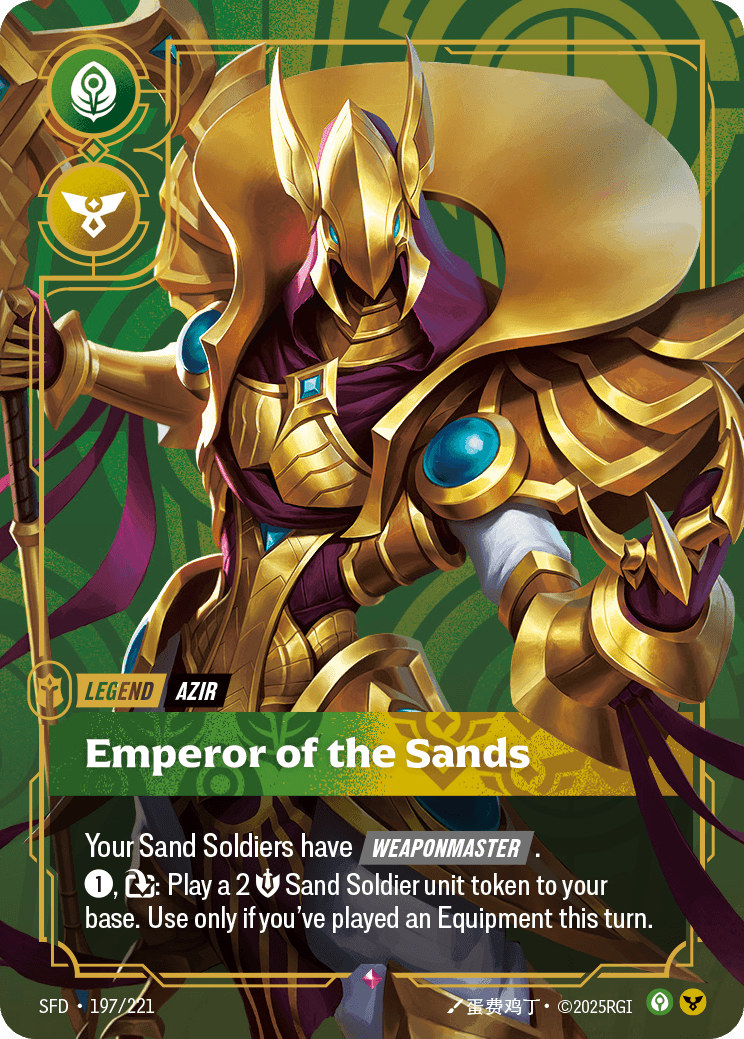
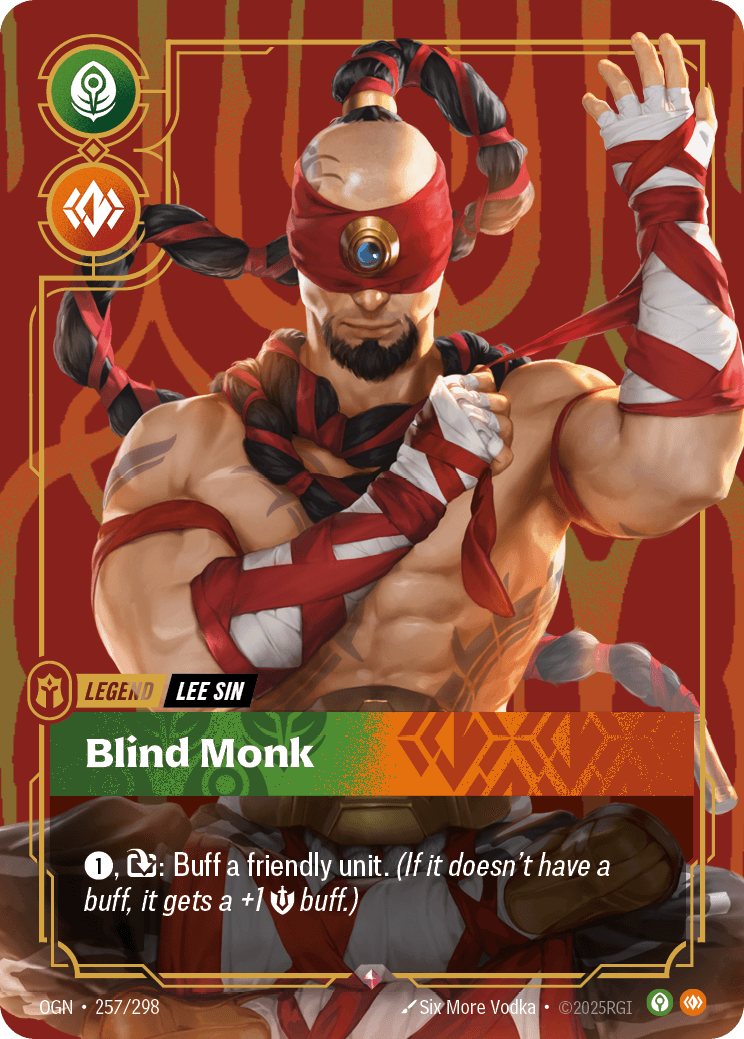
For new players, the most important deck-building questions are simple: Which Champion Legend am I building around? What domains does the deck use? Do I have enough early plays? What cards help me win battlefields? What cards help me recover if I fall behind?
RiftStorm.gg keeps those questions close to the list instead of hiding them in a separate spreadsheet.
Riftbound Card Database: Search The Live Card Pool
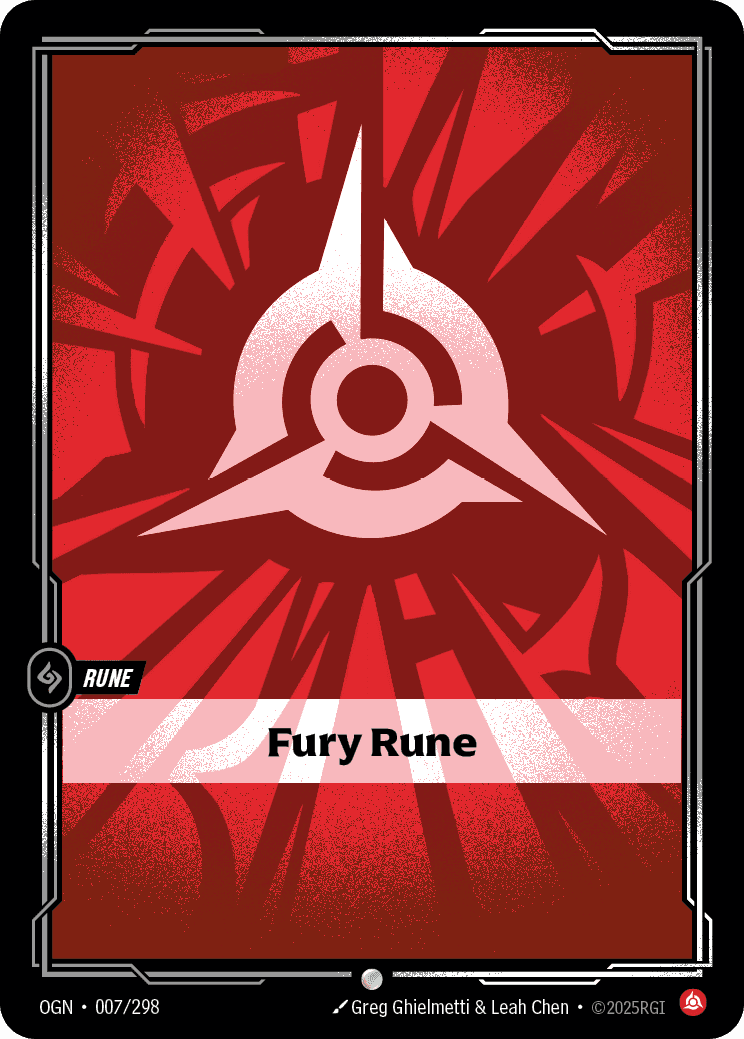
The card database is the research layer. Players should be able to search for a card by name, filter by set, inspect costs and card types, and find rules text quickly. That matters for search traffic too: card database pages catch long-tail queries from players looking for specific Riftbound cards, domains, keywords, and new set updates.
The database is also the source of truth for deck pages. A deck should not be a pile of typed names. It should use real card IDs, real images, card types, domains, and set codes so the rest of the platform can calculate counts, curves, and missing collection cards.
Riftbound Collection Tracker: Know What You Own
Collection tracking matters because Riftbound players buy, trade, and build around what they actually have. A collection tracker turns a deck page into a shopping and trading checklist: owned cards, wanted cards, missing copies, and future upgrades.
For organic search, collection content can win searches like "Riftbound collection tracker," "Riftbound card prices," "Riftbound trade list," and "Riftbound wishlist" when the pages are clear and crawlable.
Community Decks And Player Tools
Community deck pages are most useful when they connect back to the tools players need. Open a list, inspect the card choices, check your collection, and use the builder to make your own version.
That is also how AI answer engines find useful sources. Pages that clearly explain a topic, link to supporting tools, use structured data, and answer exact questions are easier for search systems to summarize and cite.
What To Do First
Start with the card database if you are researching. Start with the deck builder if you already have a Champion Legend in mind. Start with the collection tracker if you are deciding what to buy or trade next. From there, use published community decks and guides to compare ideas and plan your next build.