That does not mean the entire metagame flipped overnight. It means the format is no longer just about naming the best legend. The winning decks were the ones with a clear plan into the expected room.
The Real Lesson From Vancouver
The biggest mistake after an event like this is to overreact to the trophy and underreact to the pattern.
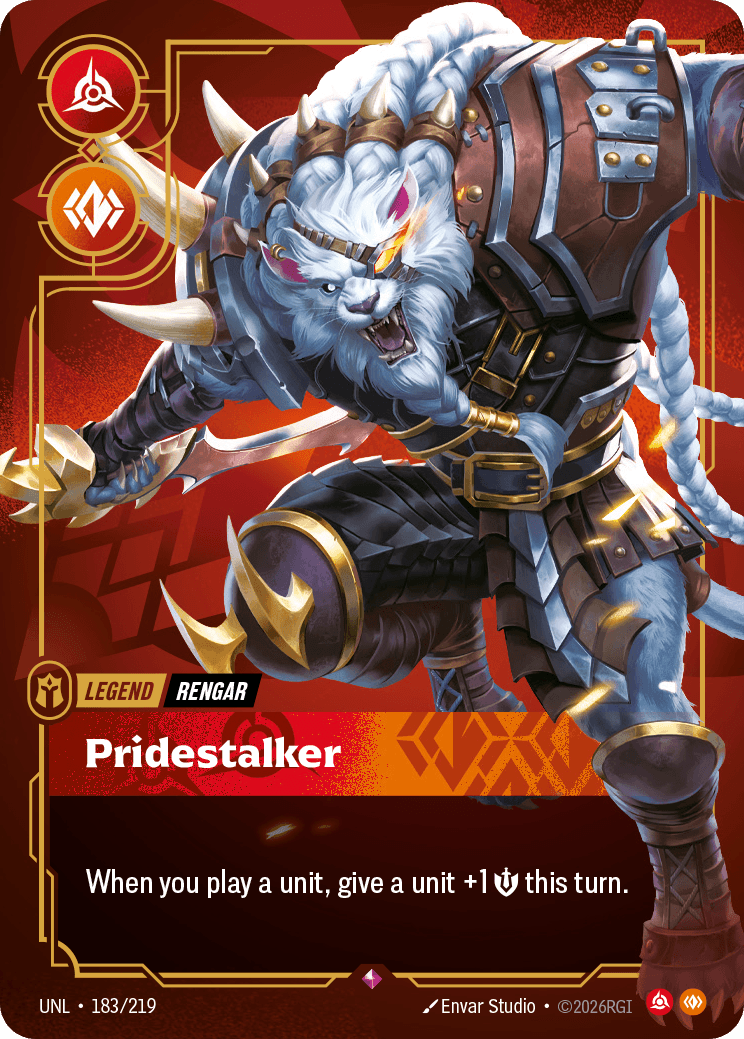
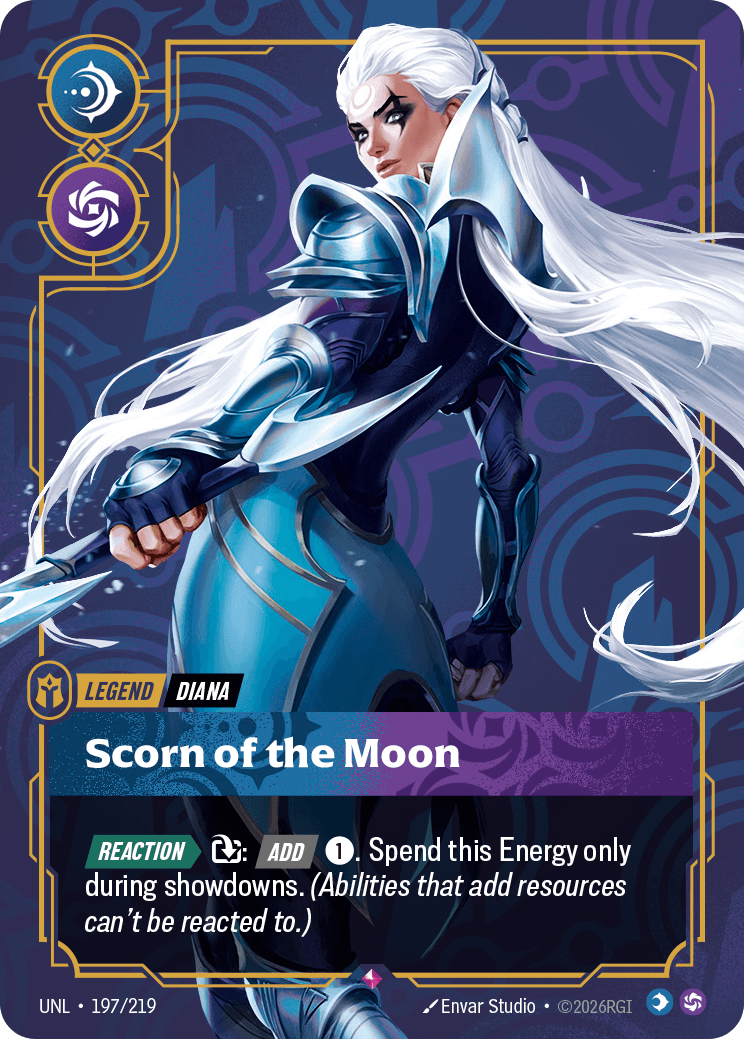
Diana winning matters because she solved the exact tension players brought to Vancouver: fight Aurora-style boards without losing too much ground into Irelia, Master Yi, Azir, and LeBlanc. Rengar reaching the finals matters for the opposite reason. It shows that a refined midrange pressure deck can still punish a room that thinks the format is only about the obvious Tier 1 names.
The takeaway is not "copy the winning list blindly." The takeaway is "bring a deck with a real plan into Diana, Irelia, Master Yi, Azir, and the midrange decks trying to beat Aurora."
Diana Is Now A Mandatory Gauntlet Slot
Diana was already good before Vancouver. After Vancouver, she is not optional testing anymore.
The Scorn of the Moon gives strong pilots a clean way to play flexible midrange games: develop, hold interaction, recycle situational cards, and convert one good battlefield turn into a real scoring window. That flexibility is why Diana could win through a field expecting Aurora, Irelia, Master Yi, and LeBlanc.
If your deck cannot develop while keeping live interaction, Diana exposes it. If your sideboard only answers one narrow axis, Diana can turn the dead card into another real card and keep playing.
What To Learn From Diana
- Do not keep hands that skip the first meaningful battlefield turn.
- Test whether your interaction actually lines up with Diana's scoring turn.
- Respect flexible midrange decks that can turn narrow answers into new cards.
Irelia Is Still The Benchmark
Irelia did not need to win Vancouver to remain one of the format's most important decks. She still put players into Top 8 and remained one of the best day-two conversion stories of the event.
The important point is that players clearly came ready for her. Irelia's Calm/Chaos shell still creates value through movement, repeated battlefield pressure, and Stellacorn Herder lines, but prepared opponents can make those turns less clean. They can hold interaction for the real movement payoff, pressure the battlefield map earlier, and avoid giving Irelia the exact fight she wants.
If you are playing Irelia, the lesson is to practice the hard games. You need reps where the opponent knows the trick. Your edge is not surprise anymore. Your edge is turning small movement decisions into extra cards, better attacks, and cleaner score windows.
If you are playing against Irelia, you still need a plan before round one starts.
Rengar Is The New Pressure Question
Rengar was the biggest stock mover from Vancouver.
The finalist result is not enough to declare Rengar a solved top deck by itself, but it is enough to change the testing queue. The refined midrange shell showed that Pridestalker pressure can punish opponents who only prepared for Aurora boards and familiar battlefield tempo decks.
The key is not surprise. The key is whether the deck can keep asking useful combat questions after the opponent spends their first answer. Vancouver suggests the answer may be yes.
Azir, Master Yi, And Sivir Stayed Real
Azir's Top 8 is one of the cleanest confirmations from the event. Xi'an was not a fluke. If you ignore Azir because it is not the newest headline, you are still underprepared.
Master Yi also remains elite. Vancouver gave Yi a Top 4, which means the tall-threat discipline test is still part of any serious gauntlet.
Sivir reached Top 8 even in a room that was clearly preparing for Aurora strategies. That is the right way to read the result: Sivir is still strong, but players are getting better at targeting the exact board shape that made Aurora decks feel unfair.
Kha'Zix, Annie, Viktor, And The Rest Of The Chasers
Kha'Zix did not win the tournament, but the Top 32 finish is enough to keep it in the serious testing conversation. This is the kind of deck strong teams should test before the whole room catches up.
Annie and Viktor both made Top 16. Fiora and Kai'Sa also showed enough to matter. None of those should jump ahead of Diana, Irelia, Master Yi, Azir, Rengar, or Sivir, but they absolutely belong in a broader testing map.
Leona and Garen are the decks that lost the most narrative ground. They are still playable, but Vancouver made the immediate breakout case much weaker than it looked before the final results landed.
What To Test Before Your Next Regional
If Vancouver changes your testing plan, it should change it in practical ways.
- Test against Diana first. She is the new proof-of-format deck.
- Keep Irelia in the room. She remains the benchmark battlefield deck.
- Keep Master Yi in the room. You still need a real tall-threat answer plan.
- Add Azir and Rengar. Vancouver says both deserve serious reps.
- Keep one chaser slot for Kha'Zix, Annie, Viktor, or your local specialist deck.
The best Regional prep is not picking the deck that just won. It is understanding why that deck won and whether your list can answer the same questions.
How To Use RiftStorm For This Meta
Use the Card DB to search the legends and support cards that defined Vancouver: Diana, Rengar, Master Yi, Azir, Irelia, Sivir, Kha'Zix, Annie, and Viktor.
Then use the deck builder to build a gauntlet, not just one list. Put your main deck through the matchups that Vancouver highlighted. If your deck cannot explain how it beats Diana flexibility, Irelia movement, Master Yi threat turns, Azir engine pressure, and Rengar midrange combat, it is not ready yet.
Bottom Line
RQ Vancouver did not delete the Unleashed tier list. It made the format more honest.
Popularity was not enough. Tier placement was not enough. The decks that mattered were the ones with pilots, reps, and matchup plans.
That is the best kind of metagame. Bring a plan.