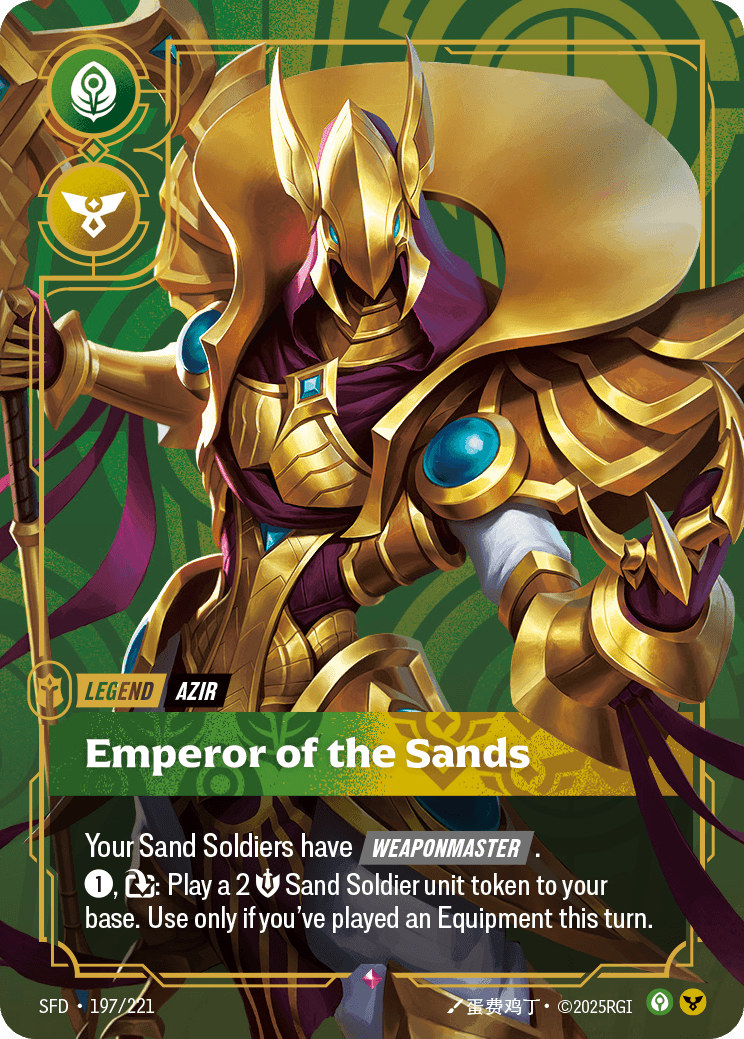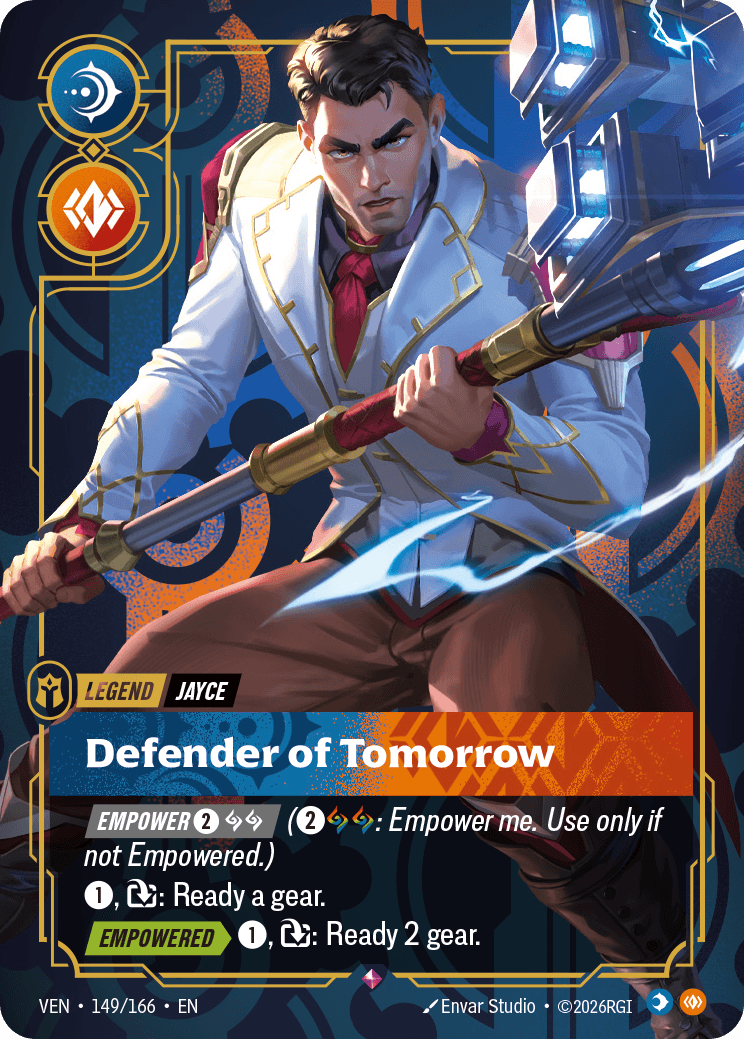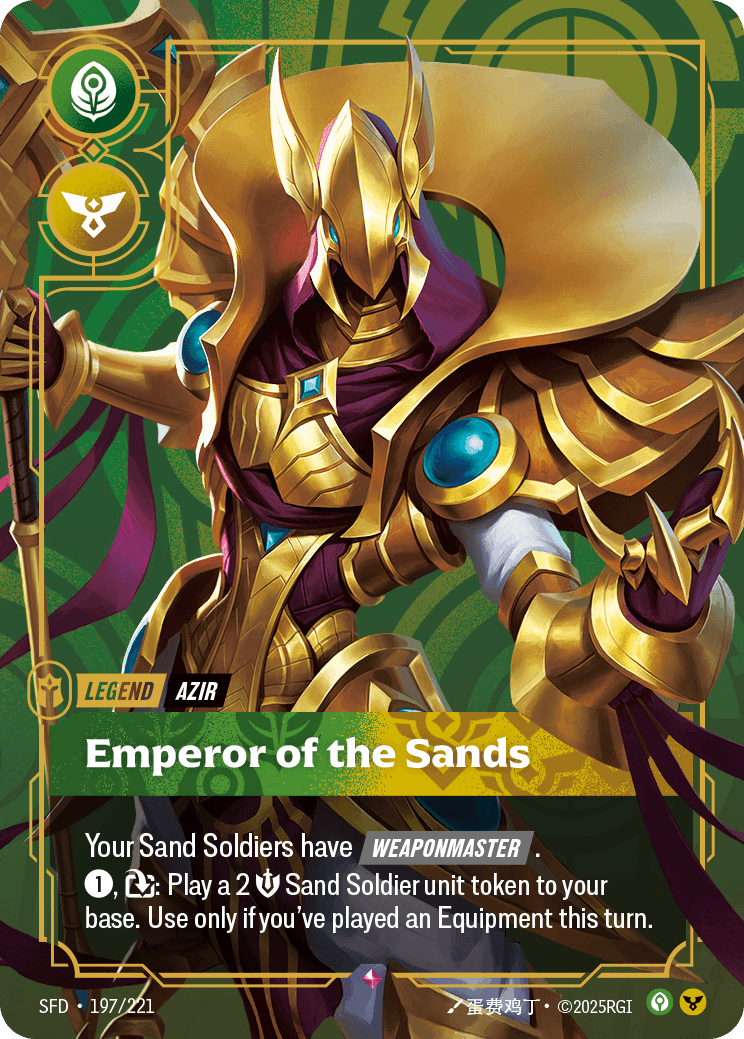
Start with early battlefield contest, flexible engine and gear interaction, one clean answer for a tall threat, and enough recovery to score after the first trade. The first matchups to load are LeBlanc, Azir, Jayce, and Kennen; keep Akali, Irelia, and Master Yi in the room so an engine-focused board does not fold to movement or a committed threat.
The current Houston read is covered in our post-ban meta report. Search exact card text in the card database, build and tune a counter shell in the builder, compare public shells in Riftbound decks, and use Riftbound Counters for the legend-by-legend map.
What We Can And Can't Tell You
Riot’s September ban update confirms two changes: Ekko, Recurrent and Stacked Deck are banned in Standard and Constructed 2v2 effective September 18. Riot says the Ekko ban addresses an unhealthy infinite pattern and that Stacked Deck had become a broad consistency tool whose interaction with Kennen was compounding. The next big US checkpoint is the September 25–27 Los Angeles Regional Qualifier.
The Houston public standings are finished and useful, but they do not provide a Riot-published recap or a complete current decklist set in the sources reviewed. We therefore use the leading rows as a reason to test LeBlanc, Azir, Jayce, and Fiora—not as proof of a champion, a Top 8 bracket, field share, win rate, or exact package.
Our committed first-party decklist corpus has no current Vendetta list for those post-ban targets. Exact decklists stay out of this guide. Every package below is a role map that should be validated in the builder.
What The Current Targets Are Trying To Do
LeBlanc: make one source unit pay repeatedly
LeBlanc asks whether you can identify the unit that makes copies, tokens, or death triggers valuable. Her deck wants to turn a conquer or hold into a temporary copy and then make the same source matter again. If you remove only the copy, the engine may still have its next target.
Azir: convert gear and board width
Azir wants setup time. Gear and token bodies can make the board look harmless until one permanent turns the whole lane into a resource engine. The counter question is whether you can pressure before the setup is safe and still have an answer for the unit that actually scores.
Jayce: turn readiness into several actions
Jayce is a Mind/Body gear engine. The deck wants a gear and a ready effect to become more than one combat: a unit can change combat mode, a source can ready gear, and a late turn can chain several permanents. Do not judge the matchup only by the size of the final threat; judge whether you can stop the conversion turn. Read the dedicated Jayce counter guide for the kit functions and phase plan.
Kennen: make outside-hand value defend
Kennen remains a benchmark even after the Stacked Deck ban. The deck wants cards played from outside the hand to create Empower, then converts that status into an Assault scoring turn. Pressure before the first chain, make Flow or replay defend, and save flexible interaction for the attack that changes the score.
Akali and Irelia: make the map move
Akali and Irelia punish a counter board that fights only one battlefield. They can turn movement, ready effects, or a favorable conquer into a second question before your first answer resolves. Keep a second lane live and make the first score require a real commitment.
Master Yi and Fiora: preserve one clean answer
Master Yi asks for a hard answer to one committed tall threat. Fiora asks whether your answer still leaves a board after a fair combat exchange. Do not spend your only reset on a small unit, and do not mistake a technically winning fight for a good trade if the opponent scores the next battlefield.
The Five Counter Jobs
1. Early contest
Keep units that matter before the opponent’s engine or movement turn. Your first body should either contest a battlefield or make the opponent spend a resource to claim it. This is the foundation against Rengar, Akali, Irelia, and Kennen, and it prevents LeBlanc, Azir, or Jayce from taking a free setup turn.
2. Source and gear interaction
Use answers that can hit an engine source, a committed gear, or the carrier that is actually scoring. Flexible interaction is stronger than narrow hate because it remains live when the opponent draws ordinary units.
3. A clean tall-threat answer
Keep one stun, bounce, removal, or other hard reset for Master Yi and the largest Jayce, Fiora, or Kennen turn. Do not spend it because a unit is merely inconvenient; spend it when the unit would take a battlefield or make your next turn impossible.
4. Two-lane pressure
A second battlefield is a counterspell to movement and readiness. It forces the opponent to choose which lane gets the premium action and gives you a scoring route after the first exchange. Do not spread so thinly that neither lane can contest; present two real questions, not two decorative bodies.
5. Recovery
The best answer is one that leaves you able to score. A removal spell that costs your whole turn may be correct against the final threat, but your normal plan should include a follow-up body, draw, or battlefield reset so one lost showdown does not become the match.
Mulligan Guide For A Blind Vendetta Room
Keep an opening hand that does at least two of these:
- plays a meaningful unit on turns one or two;
- contests a second battlefield or can create one;
- holds flexible interaction for an engine, gear, or scoring threat;
- continues developing after one removal trade;
- has a way to turn a defended answer into a score.
Ship hands built only from expensive answers, narrow anti-gear cards, or late payoffs. A perfect answer with no board is often a turn too slow. Against a known target, keep the answer that matters for its scoring turn, but do not mulligan away the early body that lets you reach that window.
Early, Mid, And Late Plans
Early game: make setup pay
On turns one and two, establish a battlefield and show a second lane when possible. Force LeBlanc to copy a low-value body, Azir to defend before the gear board is ready, Jayce to use readiness to recover, or Kennen to spend Flow on survival. Against Akali and Irelia, avoid putting your whole hand into one lane.
Midgame: hold the answer for conversion
On turns three and four, identify what actually creates the score. It may be the source unit behind a copy, the gear that makes a token engine scale, the carrier that is about to attack, or the Empowered unit that receives Assault. Spend interaction after the opponent commits when that preserves a second lane.
Late game: close before the engine resets
On turns five and later, do not trade resources into a deck that can rebuild for free. Keep one answer for the final tall or ready turn, keep two battlefields relevant, and take the empty lane immediately after an opponent retreats or fails to convert. The late-game goal is not to answer everything; it is to leave the opponent without a clean scoring turn.
Current Testing Order
- Kennen: the benchmark explicitly affected by the Stacked Deck ban; test the post-ban Empower and Flow turn.
- LeBlanc and Azir: both appear in the leading Houston rows; test source removal, gear timing, and recovery.
- Jayce and Fiora: one is the new gear/readiness unknown and the other is the fair-combat check.
- Akali and Irelia: keep movement and battlefield tempo in the room.
- Master Yi and Vex: finish by checking whether your board still has a hard answer and a plan for less familiar control.
This is a preparation queue, not a tier claim. Public Houston standings are preliminary competitive evidence; Riot’s ban and Los Angeles pages are the official sources for legality and event timing.
Common Counter-Board Mistakes
- Building only for Kennen. The ban changes the texture of that matchup, while Houston shows several engine and combat shapes near the front.
- Answering the final body instead of the source. LeBlanc, Azir, and Jayce all punish interaction that arrives after the conversion.
- Fighting one battlefield. Akali, Irelia, and readiness effects turn a single lane into a liability.
- Overboarding narrow hate. A card that only works against gear or only against one keyword can lose to ordinary pressure.
- Skipping recovery tests. Your counter is not ready if it can answer one turn but never scores afterward.
- Treating a public standings row as an exact decklist. Houston provides a test signal; it does not validate the missing 40-card export.
Build And Test On RiftStorm
Use Riftbound Counters to choose a target, verify exact card text in the card database, build a legal counter shell in the builder, and compare public testing lists in Riftbound decks. Use the dedicated Jayce guide when the engine/readiness matchup is the current gap.
For the rules and event window, read Riot’s September ban-list update and Los Angeles preview.
Bottom Line
The post-ban Vendetta room is asking more than one question. LeBlanc tests source removal, Azir tests gear and board development, Jayce tests readiness conversion, Kennen tests outside-hand value after a targeted consistency ban, Akali and Irelia test movement, and Master Yi tests whether you saved one clean reset. Build around those jobs, not an invented decklist. Houston is a reason to expand the gauntlet before Los Angeles; it is not permission to publish unsupported results or counts.