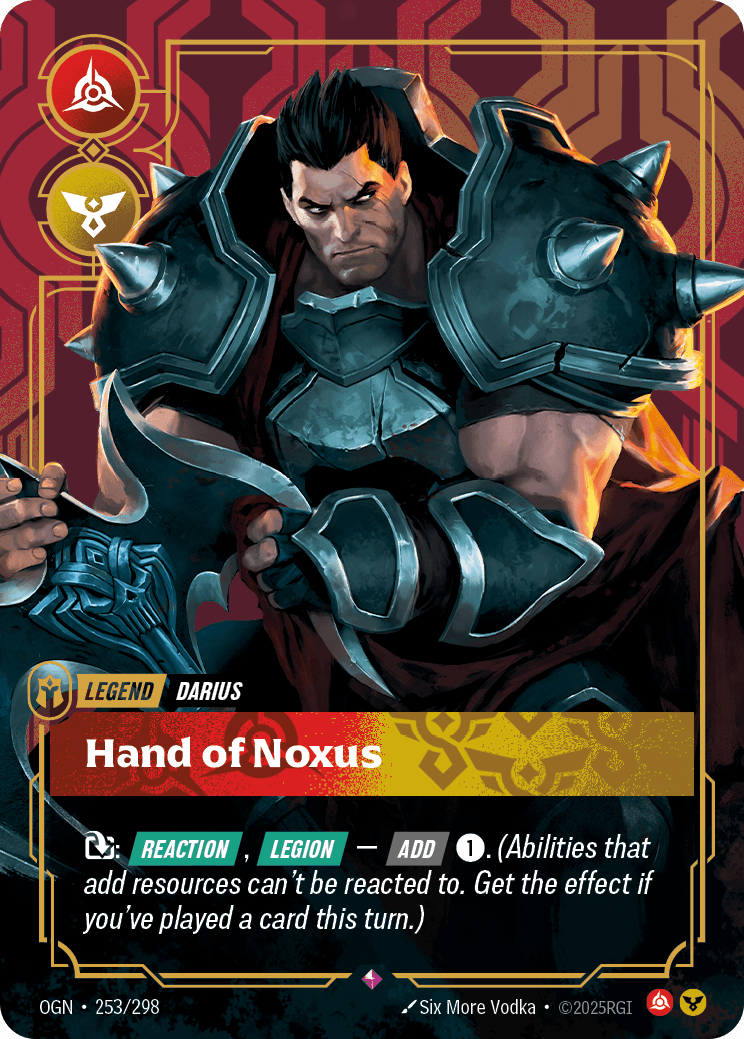
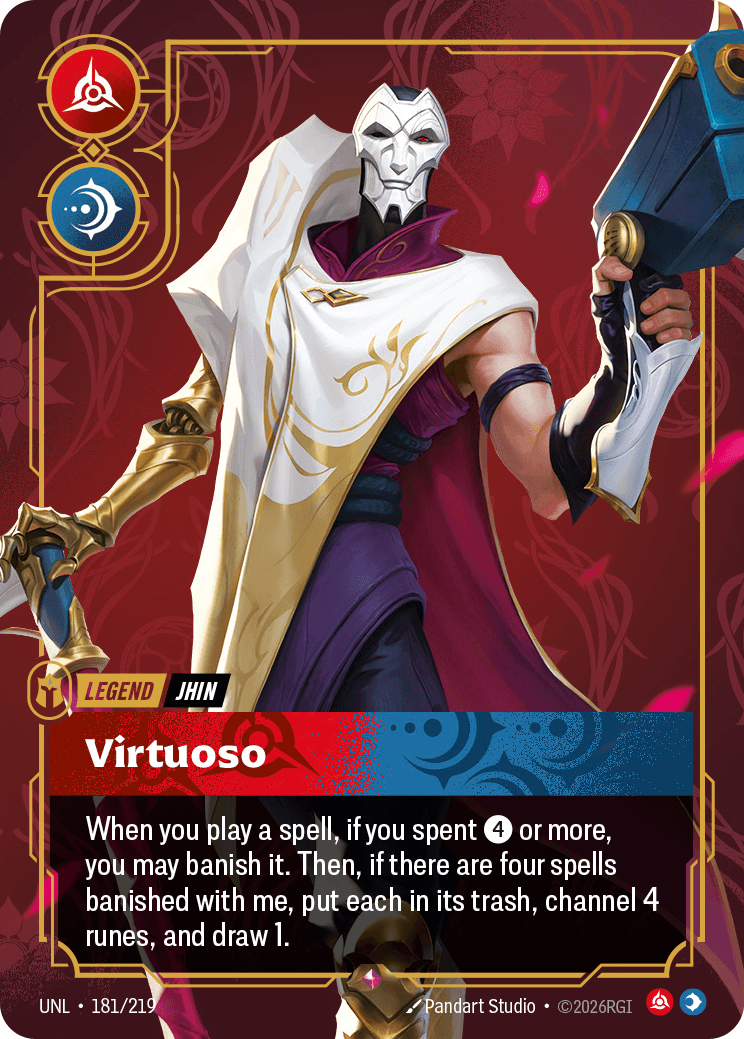
Ezreal is spell control with tempo windows — a deck that would rather answer your best turn cheaply, turn that interaction into cards, and win once every exchange is happening on its clock. It stays a first-wave counter target through the format because that identity is stable even when the exact list moves.
A note on how we write this. We don't publish a card-for-card Ezreal 'package' we can't verify from our own current data, and we don't send you to someone else's site to go find one. What we give you instead is durable: the gameplan Ezreal is running, the cards in its kit and what they do, and a counter plan keyed to mechanics. Read any card's exact text in the card database, build both sides in the deck builder, and pair this with adjacent matchups on Riftbound Counters.
What We Can And Can't Tell You
The most recent exact Ezreal list we have on record is a pre-Vendetta shell — a stale reference, not the current format, and one that even ran a battlefield since removed by Riot's July ban update. So we treat it as history, not as 'the deck.' You can read Riot's ban and rules updates for the current legality picture.
That honesty is the point. A counter plan built on 'Ezreal always runs these 40 cards' rots the moment the list shifts. A counter plan built on 'here is what Ezreal is trying to do, and here is the kit that punishes loose play' keeps working. This guide is the second kind.
What Ezreal Is Trying To Do
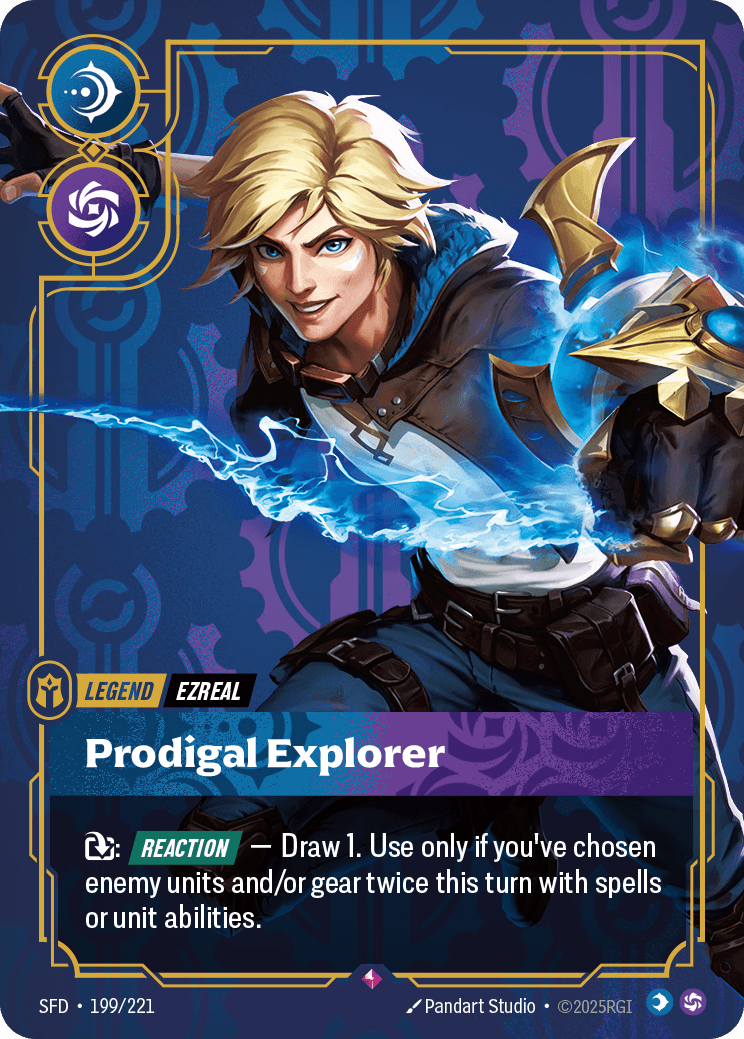
Mind/Chaos Legend
Ezreal - Prodigal Explorer
The identity: Ezreal pays off the second time you target enemy units in a turn, so loose targets feed the engine — make its spells defensive instead.
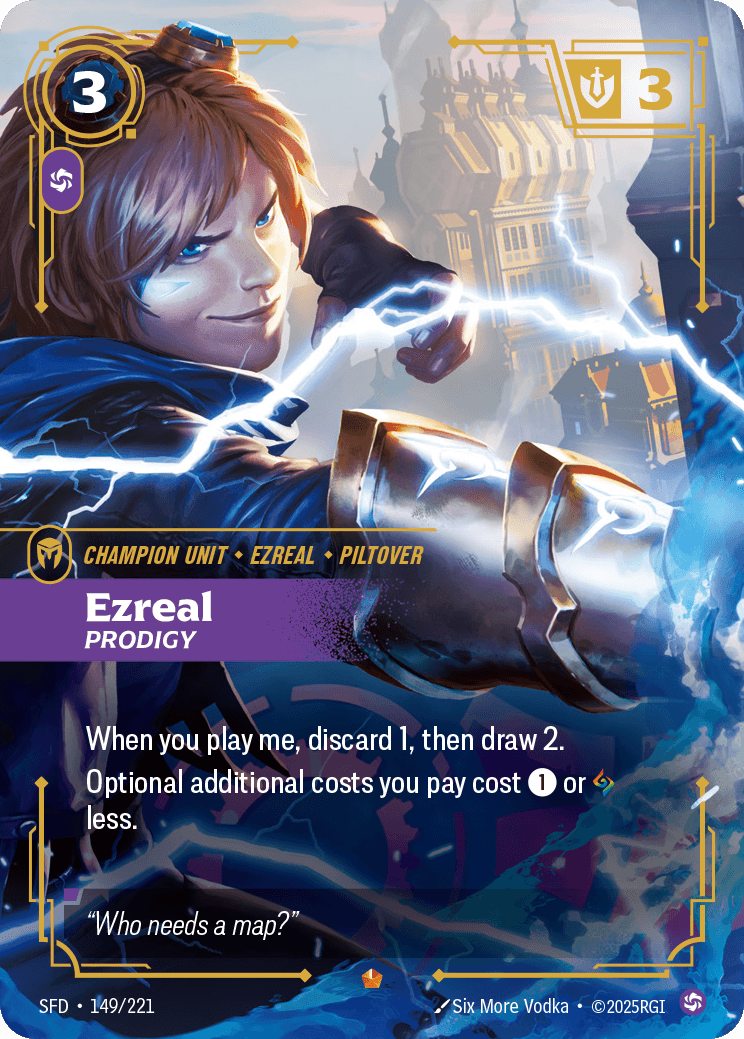
Chaos Legend
Ezreal - Prodigy
In Ezreal's kit: discards and draws on entry and discounts optional costs. Pressure the board before this value turn lands.

Mind Legend
Arcane Shift
In Ezreal's kit: blink a friendly unit, replay it, deal 3 at a battlefield. The answer-timing trap — force it on a low-value exchange or hold disruption for after the blink.
Mind Legend
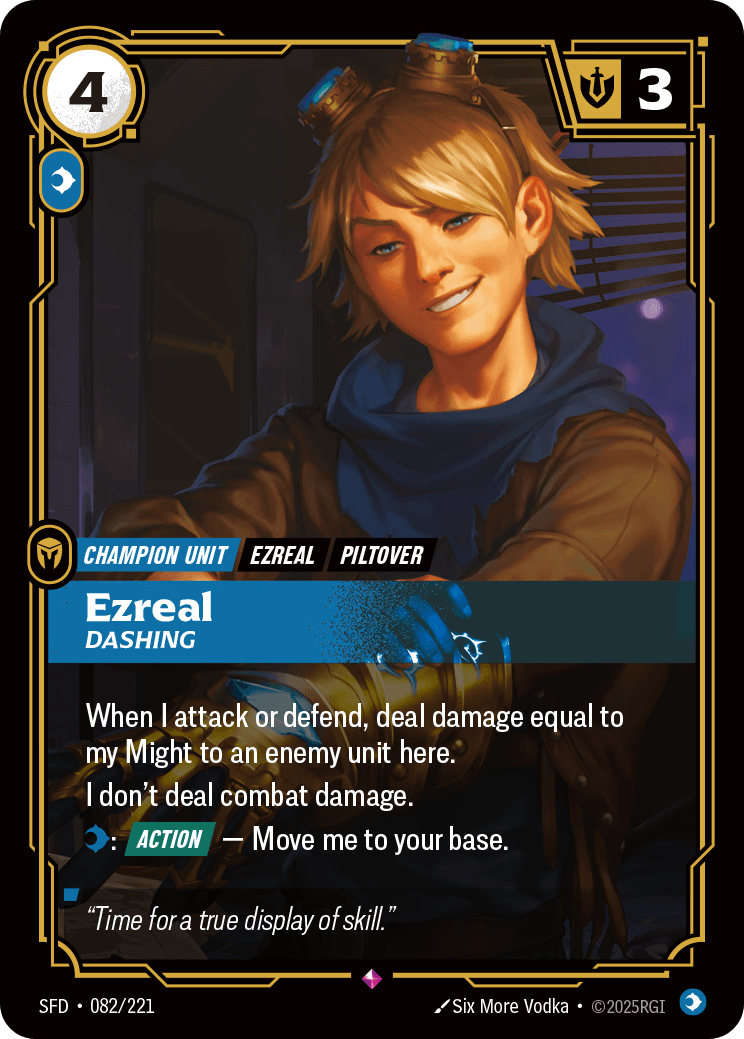
Ezreal - Dashing
In Ezreal's kit — not a guaranteed include: a Mind unit that pings when it fights and can retreat to base. Respect it without assuming a given list runs it, and spread pressure before committing one unit.
Ezreal is a Mind/Chaos deck that wants to:
- Slow your strongest battlefield turn with cheap interaction.
- Turn that interaction — targeting, bouncing, shrinking — into card flow.
- Grind you out once every exchange is happening on Ezreal's timing.
The deck is dangerous because the same cheap cards do multiple jobs. One spell can protect a unit, shrink an attacker, reset combat math, or buy the turn Ezreal needs. If you only ask whether a card kills something, you miss why the matchup is hard: it is selection and tempo, not raw removal.
Ezreal's Kit — What To Respect
These are the cards in Ezreal's kit: the legend-locked pieces the deck is built around. Naming them is not the same as claiming a given list runs a specific count of each — kits vary list to list — so respect them for what they do, and confirm the exact wording in the card database.
- Ezreal - Prodigal Explorer rewards the second time the Ezreal player targets enemy units or gear in a turn. That is the engine: loose, obvious targets feed it.
- Ezreal - Prodigy discards and draws when it enters, and makes optional additional costs cheaper. It smooths awkward hands, which is why pressure *before* the value turn matters.
- Ezreal - Dashing deals damage equal to its Might when it attacks or defends, then can move back to base with a Mind rune. It punishes a single committed attacker and dodges the counter-hit — so it rewards you for spreading out.
- Arcane Shift banishes a friendly unit, replays it for free, and deals 3 at a battlefield. It is the answer-timing trap: premium removal spent into open resources can be blinked and replayed, and the 3 damage can still take the battlefield.
How To Beat Ezreal
1. Make Its Early Spells Defensive
Ezreal wants to spend cheap interaction on the turn that also becomes card advantage. Pressure early enough that its first spells have to protect its own board instead of setting up a free second-target trigger. A spell spent to survive is far less scary than the same spell spent while Ezreal is already ahead.
2. Pressure A Second Battlefield
Blink, bounce, and Dashing are all best when your whole game is stacked in one place. Force Ezreal to defend two locations. Your second battlefield does not need to be huge — it needs to be real enough that Ezreal cannot ignore it while it answers the first.
3. Save The Real Answer For The Blink
Arcane Shift is the main reason normal answer timing fails. If you spend premium removal into open resources, Ezreal can blink the target, replay it, and take the battlefield with the Shift damage anyway. Hold flexible interaction — a stun, exhaust, recall, bounce, or Might shrink that still matters after a replay — until Ezreal commits. If your answer only works before the blink, force the blink on a low-value exchange first.
4. Contest The Value Turns Before They're Free
A hand-filtering turn is only free if you let it be. If Ezreal filters while you are threatening a battlefield, that turn is pressured and the deck falls a step behind its plan. If it filters into an empty board, the next turn is usually where the cheap interaction chain starts to feel unfair.
5. Respect The Fight-And-Retreat Unit Without Freezing
Don't send your one important unit into a Dashing-style fight you can't beat — but don't let one unit freeze your whole board either. Spread pressure, make it choose a single fight, then punish the battlefield it cannot cover.
Mulligan Guide Against Ezreal
Keep hands that do at least two of these:
- Contest a battlefield in the first two turns.
- Apply pressure without stacking all your value in one unit.
- Hold one cheap answer for a blink, a fight-and-retreat unit, or a spell-tempo swing.
- Threaten a second battlefield so Ezreal cannot line every spell up in one lane.
- Reload after the first bounce, shrink, or removal spell.
Ship hands that only come online after turn five. Ezreal is built to punish slow keeps by spending the early game selecting cards, then turning the first real fight into draw and damage.
Turn-By-Turn Counter Plan
Turns 1-2: Make Ezreal React
Play to the board. A slow opening lets Ezreal sculpt its hand and keep every cheap answer for the first real fight. Your early play doesn't need to win — it needs to make the first interaction spell happen on your schedule. Don't hand over two meaningless targets while the second-target payoff is live.
Turns 3-4: Break The First Spell Turn
This is where a blink, a value unit, or a cheap tempo spell starts changing the score. Identify which card actually decides the battlefield and spend your good answer there. Don't answer the first annoying spell on reflex — make Ezreal show the line, then stop the part that converts into points.
Turns 5-6: Keep Threats Layered
If you dump your whole finish into one lane, Ezreal's bounce and shrink become perfect. Keep threats layered so one spell can't erase your pressure. If a grindy late-game plan is forming, ask whether you can close before the control lock starts; if not, hold disruption for the actual closer rather than another small spell.
Late Game: Don't Let Value Become Inevitability
Late Ezreal wins by making every turn awkward — you attack, a spell shrinks the unit; you hold back, it filters and draws; you overcommit, the bounce resets you. The way out is repeated battlefield questions: make Ezreal answer a real board every turn and keep one answer for the key unit. If you stop asking questions, its card flow buries you.
Matchup Plans By Archetype
Aggro And Pressure Decks
Make Ezreal spend spells defensively and spread pressure so one cheap spell or blink doesn't erase the attack. Hold one cheap answer for the first tempo swing that would flip a battlefield.
Midrange Decks
You have the best tools, but sequencing matters. Trade early, identify the real spell-tempo turn, answer that turn, and turn the corner before Ezreal's card flow stabilizes.
Control Decks
Don't keep hands that only answer late. You need early speed bumps and a way to stop the second-target engine from drawing into repeated action. If Ezreal sculpts a perfect hand unpressured, your later answers get much harder to line up.
Engine And Combo Decks
Buy setup time with board presence. If your first turns do nothing, Ezreal develops selection and open resources, then your payoff has to happen under cheap interaction. Make Ezreal answer something while you build.
Common Mistakes Against Ezreal
- Handing Ezreal two free enemy targets before a meaningful fight.
- Spending premium removal before the blink is forced.
- Treating a value turn as harmless while the board is uncontested.
- Sending one important unit into a fight-and-retreat unit with no backup.
- Stacking one battlefield and letting bounce or damage answer the whole turn.
- Keeping slow hands because they look powerful after turn five.
Practice Checklist
Before you call the Ezreal matchup ready, answer honestly:
- Can your opening hand affect the first meaningful battlefield?
- Can you pressure two battlefields without overextending?
- Which exact card in your deck answers a blink-and-replay best?
- Which answer still works after a fight-and-retreat trigger?
- Can you keep pressure after the first bounce or shrink?
- Do you know when the second-target draw can trigger?
Build And Test On RiftStorm
Everything here is buildable with our own tools:
- Search Ezreal's kit in the card database to read exact wording.
- Clone a shell in the deck builder and goldfish the counter plan.
- Compare community lists in Riftbound decks.
- Pair this with adjacent matchups on Riftbound Counters.
If you open one of our counter shells, treat it as a RiftStorm testing shell — a starting point built from card roles, not a tournament decklist — and tune it against what you actually see.
Bottom Line
Ezreal beats you by making every turn awkward and every cheap spell do two jobs. Beat it back by making those spells defensive, denying the free second-target turns, forcing pressure across more than one battlefield, and saving your real interaction for the blink or the fight-and-retreat turn that actually changes the score. That plan holds even as the exact list moves — which is exactly why we wrote it this way.