It is a July gauntlet reset.
That distinction matters because the traffic temptation right now is obvious: call Hartford the new center of the format, assume the full story is already public, and write one more winner-based article. The better move is stricter. I could verify Hartford's June 19-21, 2026 timing, but I still could not reliably verify a detailed public Hartford Top Decks breakdown strong enough to base a serious meta article on. So the disciplined answer is to build from the newest public signals that are still strong enough to matter.
Those signals still come from Vancouver, Sydney, and Tianjin, plus the fact that Hartford week has now passed without a widely verifiable detailed deck-shape dump.
That leaves US players with a very practical late-June conclusion:
- Diana is still a premium deck, not a one-week spike.
- Irelia is still the benchmark battlefield test.
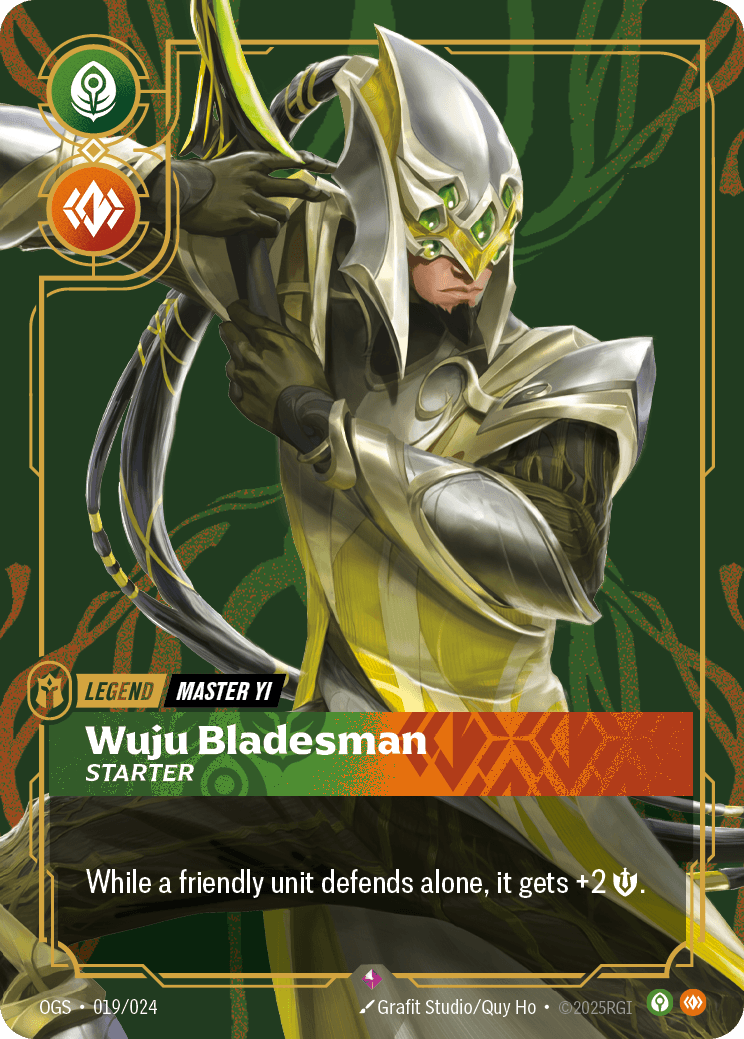
- Master Yi is still the committed-threat check every honest room needs.
- Azir still belongs in the serious gauntlet even when discourse gets distracted.
- Draven still matters as the North American punishment floor.
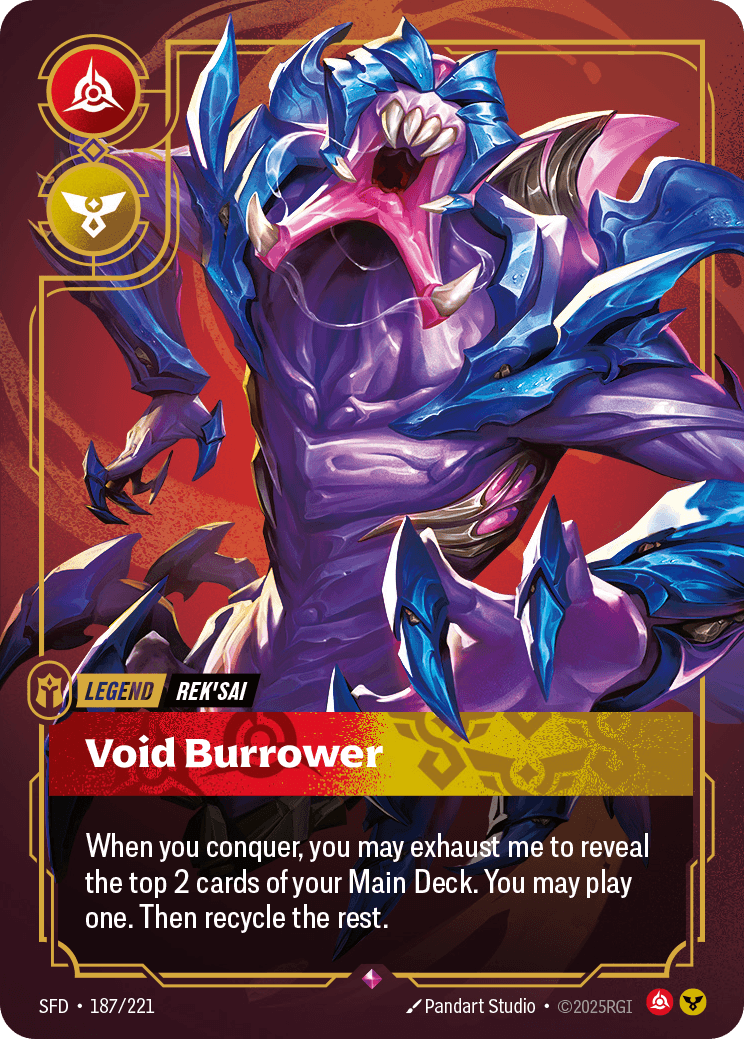
- Rek'Sai is still the best emerging deck to learn first.
- Pyke is still the sharpest low-share aggression check.
- Lux is now the most useful off-axis emerging deck to add if you want your July room to stop looking predictable.
That is the actual July setup story.
Why The Best June 30 Article Is A Gauntlet Article
The big mistake after any major tournament weekend is assuming "most recent event" automatically means "best current public evidence."
It does not.
What matters for good testing is not the most recent event name. It is the most recent detailed event information you can actually trust. Right now, the strongest public shape still comes from Riot's Vancouver and Sydney coverage, plus the Tianjin conversation that kept surfacing lower-share breakout decks US players still have to respect.
That is enough to produce a real article because the question serious players need answered is not "what headline can replace last week's headline?" It is "what eight-deck room actually gives me the best reps going into July?"
That answer is much clearer than the social media discourse makes it sound.
The US Core Still Starts With Diana And Irelia
If you zoom out from the urge to chase novelty, the top of the format still has a stable spine.
Diana remains premium because Vancouver settled the argument. She did not merely post a good finish. She won a giant North American Unleashed event and did it in a Top 8 that still contained the names players already respected: two Irelia lists, Master Yi, Sivir, Azir, and Rengar alongside the second Diana copy.
That is the kind of result that upgrades a deck from "rising" to "structural."
Irelia is just as important for a different reason. Riot's Vancouver coverage highlighted Irelia as one of the strongest Day 2 conversion stories, jumping from 8.7% of Day 1 to 15.8% of Day 2. Those are benchmark-deck numbers. They tell you the deck is not only popular. It is surviving the part of the tournament where sloppy lists and weaker pilots usually fall away.
That is why the July gauntlet still starts there.
If your deck cannot explain how it survives current Diana tempo turns and current Irelia battlefield pressure, the rest of your testing room is mostly decoration.
Master Yi, Azir, And Draven Still Complete The Real US Foundation
The next mistake players make is acting like the format suddenly becomes vague after Diana and Irelia.
It does not.
Master Yi is still a mandatory check because Vancouver reinforced the same principle that has been true all month: if your list cannot stop one disciplined commit turn, Yi will steal matches from you even when your broad matchup spread looks solid on paper. Riot's Vancouver write-up pushed Master Yi from 6.1% of Day 1 to 9.1% of Day 2, which is exactly what a real threat-check deck looks like when skilled players keep converting with it.
Azir still belongs because players keep cutting him too early whenever the room gets obsessed with direct combat decks. That is still a mistake. Vancouver gave Azir a Top 8 finish inside the same event that confirmed Diana, Irelia, and Yi as premium pillars. That means Azir is not just a "China was ahead on this" note anymore. It is part of the honest Western gauntlet too.
Then there is Draven.
Draven is not the article thumbnail every week, but he is still one of the most useful decks in a US testing room because he punishes bad early discipline. If your list cannot survive Draven pressure from a strong pilot, it usually does not matter that you spent extra reps solving a stylish fringe matchup that may appear once all day.
That is why the core still looks like this on June 30:
- Diana.
- Irelia.
- Master Yi.
- Azir.
- Draven.
Anything weaker than that five-deck base is not really a serious July gauntlet.
Rek'Sai Is Still The First Emerging Deck To Add
The most important thing to say clearly this week is that Rek'Sai has not stopped mattering just because she was already in the conversation last week.
That is exactly how players miss the right deck.
Rek'Sai still earns the first emerging-deck slot because she asks a different battlefield question than the premium US core. She does not overlap cleanly with Irelia's movement pressure, Diana's cheap-spell tempo, or Master Yi's one-turn threat conversion. That means a team can build a gauntlet that feels good against all the famous decks and still be underprepared for Rek'Sai specifically.
That is why the Tianjin result still carries weight. A tiny share of the field turning into two Top 8 finishes is not random noise. It is the kind of signal strong groups should keep testing until they can explain whether the deck is a real structural problem or simply a sharp but manageable pressure pattern.
For late June and early July, Rek'Sai still fills the most useful missing matchup in a normal US room.
Pyke Is Still The Best Punisher For Lazy Prep
Pyke matters for a slightly different reason.
Rek'Sai is the deck I would actively prioritize.
Pyke is the deck I would make sure nobody forgets.
That difference is important because low-share aggression decks often steal the exact rounds players think they have already solved. If your room spent the whole week on Diana mirrors, Irelia map fights, and Master Yi answer timing, a deck like Pyke can still punish you by forcing sharper combat patterns than the rest of your gauntlet asked for.
Tianjin's Top 4 signal was enough to keep that warning live.
Pyke does not need to become the most-played deck in America to matter. He only needs to remain the kind of deck that punishes a narrow room, and current public evidence still says he can do exactly that.
Why Lux Is The New Third Emerging Test
This is the part of the story that actually moves forward from last week.
If you already kept Rek'Sai and Pyke in the room, what new deck should earn the next rep slot?
The best answer on June 30 is Lux.
The reason is not that Lux suddenly replaced the premium tier. She did not. The reason is that Tianjin pushed Lux into the event conversation as one of the more interesting lower-share off-axis shells, and that kind of deck creates a different failure mode than either Rek'Sai or Pyke.
Rek'Sai punishes incomplete battlefield prep.
Pyke punishes lazy combat assumptions.
Lux punishes players who only prepared for linear premium-tier exchanges and forgot to account for a loop-oriented deck that attacks the game from a different angle.
That is why Lux is useful now. She does not need the biggest trophy line to deserve testing. She only needs to be the off-axis deck most likely to make your gauntlet too honest if you skip her.
For July rooms, Lux is the deck that stops the whole conversation from collapsing into "did you test Diana, Irelia, and Yi enough?"
Sydney Still Matters Because It Keeps The Format Wide
Sydney is still relevant supporting context because it confirms the broader shape instead of narrowing it.
Riot's official Sydney coverage said Unleashed put four new-set archetypes into the top ten Day 2 decks, and it also noted that Diana, Vex, and LeBlanc made up half of the Top 8 while Irelia still won the event.
That matters because it tells US players two important things at once.
First, Irelia really is still one of the format's defining tests.
Second, the format is still wide enough that off-angle decks can convert when players over-focus on one premium mirror cluster.
That is exactly why Lux belongs in this week's story. Sydney does not prove Lux specifically. What Sydney proves is that a rigid two-or-three-deck understanding of the format is still too small.
A good July room needs the premium core and at least a few uncomfortable angles around it.
What Falls Below The July Cut Line
A gauntlet article is only useful if it also says what not to prioritize.
Kha'Zix is still playable, but Rek'Sai feels like the cleaner use of limited reps right now.
Leona and Garen remain defensible if your local scene has dedicated specialists, but there is still not enough current pressure to move them above the core plus Rek'Sai, Pyke, and Lux.
Vex and LeBlanc still belong in the wider format conversation, especially after Sydney, but for a practical US testing room they still sit behind the first eight decks I would load up.
That is not a statement about whether those decks can win matches. Of course they can. It is a statement about limited time. On June 30, 2026, the most efficient room is still tighter than the full list of playable legends.
The Best July US Gauntlet Right Now
If I were tightening a room for early July testing, the first eight decks would be these:
- Irelia as the benchmark battlefield pressure test.
- Diana as the tempo deck that punishes weak development and poor combat discipline.
- Master Yi as the committed-threat and answer-timing check.
- Azir as the engine deck players still underprepare for.
- Draven as the North American punishment floor.
- Rek'Sai as the best emerging battlefield-pressure import.
- Pyke as the low-share aggression check that punishes narrow prep.
- Lux as the off-axis loop deck that keeps the room from becoming too linear.
That is the cleanest actionable July room I can justify from current public evidence.
The Best Testing Questions For This Week
If you want reps that actually help, ask sharper questions than "what won the last event?"
- Can your deck beat Irelia without drawing perfectly?
- Can you develop into Diana while still respecting the scoring turn changed by one cheap spell?
- Do you have a real Master Yi answer, or are you still hoping the opponent fails to convert?
- Can you pressure Azir before the engine starts scoring repeatedly?
- Are your early turns clean enough to survive Draven pressure from a strong pilot?
- Have you mapped where Rek'Sai actually flips the battlefield math against your deck?
- What changes if Pyke forces a much sharper combat pattern than the rest of your room?
- Can your list function if Lux changes the texture of the game away from ordinary premium-tier exchanges?
Those are the questions that turn a content article into a better gauntlet.
Bottom Line
As of June 30, 2026, the smartest Riftbound news story for US players is still not a shallow Hartford recap. It is a disciplined July gauntlet story built from the newest reliable public evidence.
That evidence still says the US foundation starts with Diana, Irelia, Master Yi, Azir, and Draven. The supporting China-side pressure still starts with Rek'Sai and Pyke. The new wrinkle worth adding now is Lux, because she is the off-axis deck most likely to punish a room that only prepared for premium-tier mirrors and obvious battlefield patterns.
If you want one practical conclusion, use this one: keep the proven US core, then make sure your July testing room includes Rek'Sai, Pyke, and Lux before you start calling your prep complete.