As of June 23, 2026, the better question is simpler and more practical: what can US players actually say with confidence from current public tournament evidence, and which emerging decks still deserve more reps before the next wave of regional-level testing?
That distinction matters because Riot's Hartford schedule for June 19-21, 2026 is confirmed, but no public Hartford Top Decks breakdown could be reliably verified before publishing this piece. So instead of inventing a fake post-event certainty, the right move is to stay disciplined and use the freshest detailed public signals that are actually available.
Those signals still point in one consistent direction.
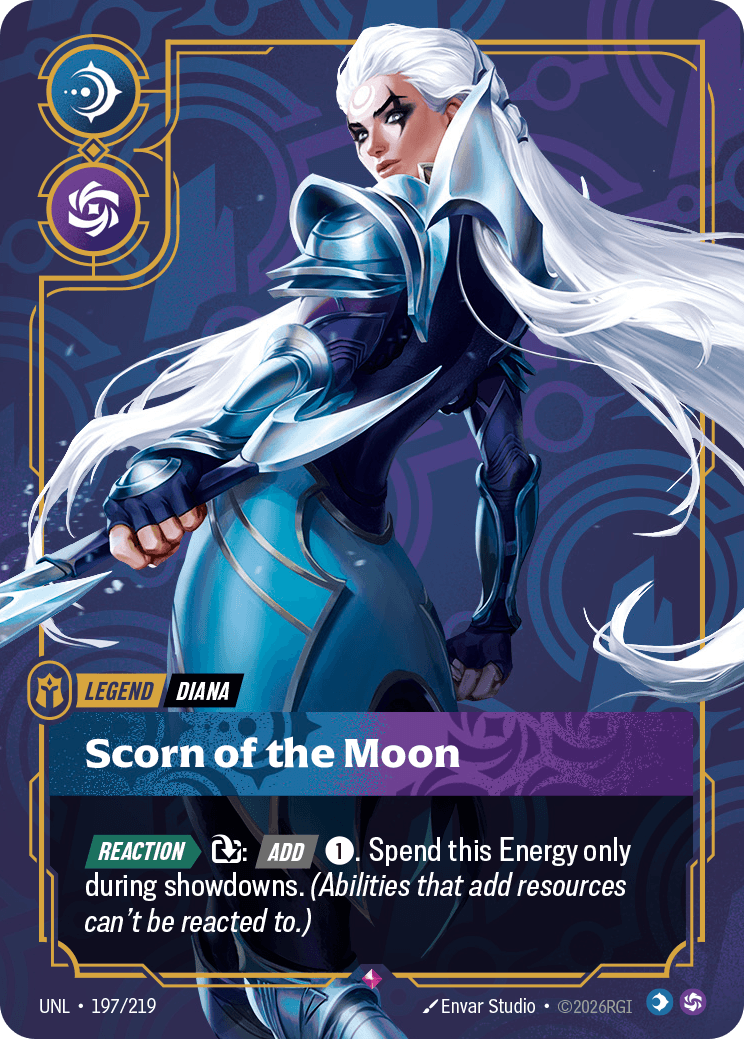
- Diana is still a premium deck.
- Irelia is still the benchmark battlefield test.
- Master Yi is still a mandatory threat-check deck.
- Azir still belongs in serious US gauntlets.
- Draven still matters as the punishment floor in North America.
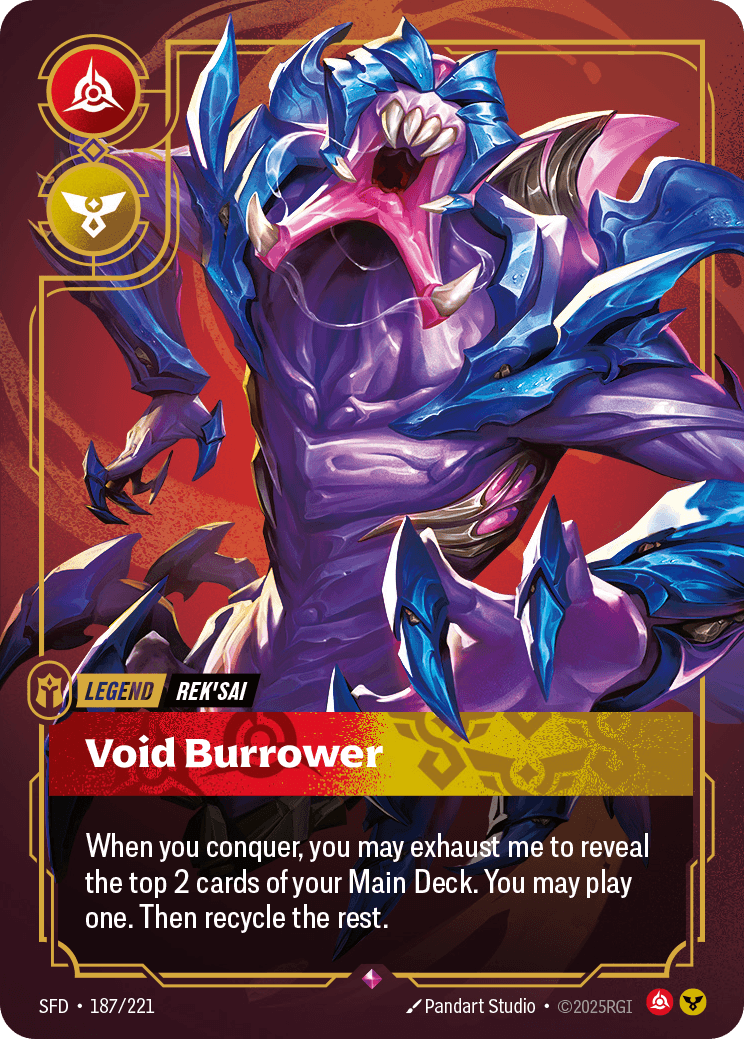
- Rek'Sai and Pyke remain the most important emerging China-side checks to import into current testing.
That is the honest post-Hartford-week read.
The Most Important Update On June 23 Is About Signal Quality
A lot of TCG coverage gets worse right after a big event weekend because people rush to fill the gap between event completion and detailed public reporting. That usually creates one of two bad outcomes.
Either the article becomes a vague reaction piece with no real deck implications, or it smuggles in claims that are stronger than the evidence.
Neither is useful.
The stronger move is to separate what is verified from what is still pending.
Verified public structure:
- Riot's Hartford event timing put the final Unleashed Regional Qualifier weekend on June 19-21, 2026.
- Vancouver remains the clearest recent North American public Top Decks article with large-field conversion information.
- Sydney remains the best supporting English-language public check that the format is not only about one obvious deck.
- Tianjin remains the cleanest China-side public signal for lower-share breakout decks that US players still have to respect.
That is enough to publish a strong traffic article without pretending Hartford decklists are already fully public if they are not.
The Verified US Core Still Starts With Diana And Irelia
If you strip away the desire for a brand new headline every week, the top of the US gauntlet is not actually that confusing right now.
Diana is still premium because Vancouver settled the argument that she was merely a rising choice. She won the event, and Vancouver's Top 8 still showed the exact kind of broad pressure cluster that makes a winner meaningful: two Diana lists, two Irelia lists, plus Rengar, Master Yi, Sivir, and Azir.
That matters because Diana did not win in an empty or distorted room. She won in the middle of a field that still contained the format's other respected pillars.
Irelia remains just as important for a different reason. Riot's Vancouver coverage highlighted Irelia as one of the strongest Day 2 conversion stories, moving from 8.7% of Day 1 to 15.8% of Day 2 representation. That is benchmark-deck behavior. It means players are not only bringing Irelia; strong players are still converting with Irelia once the field narrows.
That is why the post-Hartford-week answer still starts there.
If your deck cannot explain how it beats current Diana turns and current Irelia battlefield pressure, it still is not ready for serious competition regardless of what a single late Hartford list might eventually show.
Master Yi And Azir Still Belong In Any Honest US Room
The next mistake players make is treating the format as if the top tier stops at Diana and Irelia.
It does not.
Master Yi is still a required test because Vancouver kept proving the same thing strong players already suspected: if your deck cannot answer one decisive committed-threat turn, Yi will punish you even when the rest of your matchup spread looks respectable.
Riot's Vancouver numbers pushed Master Yi from 6.1% of Day 1 to 9.1% of Day 2 representation, which is not a random bump. It is the sign of a deck that still rewards disciplined pilots and still forces specific answer timing from opponents.
Azir deserves the same respect for a slightly different reason. Azir is still the deck many players cut too early when they want to simplify a gauntlet, and that is still a mistake. Vancouver gave Azir a Top 8 finish in the same event that confirmed Diana, Irelia, and Yi as premium pillars. That means Azir is no longer just a "remember China saw this first" deck. It is a proven part of the current Western conversation too.
If you are building a post-Hartford testing room and you skip Azir because the loudest discourse is still about Diana tempo or Irelia movement, your room gets weaker immediately.
Draven Still Matters Even When He Is Not The Story
One of the easiest meta errors is confusing "not the headline" with "not important."
Draven is still important.
Recent North American reads have consistently kept Draven in the punishment-deck role. That matters because every serious US gauntlet still needs one deck that punishes sloppy openings, weak early battlefield discipline, and greedier hands that were only built to survive mirrors.
Draven often fills that role better than more fashionable sleeper picks because he tests a real floor. If your deck loses too often to Draven pressure, it does not really matter whether you have a clever plan into fringe decks that appear once every ten rounds.
That is why Draven still belongs in the room even when he is not the current article thumbnail conversation.
China Still Adds The Best Emerging-Deck Pressure
The most useful supporting context for US players still comes from China, not because China automatically predicts every next result, but because China has been better at surfacing lower-share danger decks before US testing groups fully absorb them.
As of June 23, 2026, the cleanest public example is still Tianjin.
Tianjin mattered for the obvious top-end reasons, including another major Master Yi title and another strong Diana finish, but the more useful story for a US audience was underneath the finalists.
Rek'Sai put two copies into the Top 8 from only 11 decks in the field. That is a tiny 1.72% share producing two Top 8 finishes and an 18.18% Top 64 conversion. Those are exactly the kinds of numbers sharp players react to before the general player base catches up.
Pyke sent a similar warning. Also on 11 decks in the field, Pyke reached the Top 4. One deep finish is not enough to rewrite the entire metagame, but it is absolutely enough to justify testing, especially when the deck changes combat and battlefield assumptions more aggressively than the standard premium North American core.
That is still the right China takeaway right now.
Not "replace Diana and Irelia with a brand new miracle answer."
Instead: add Rek'Sai and Pyke so your gauntlet stops being too predictable.
Why Rek'Sai Is Still The Best Emerging Legend To Learn First
If you only choose one emerging deck from this article, it should still be Rek'Sai.
That recommendation holds even after Hartford week because Rek'Sai fills the most useful gap in a normal US testing room.
Most groups already know they need Irelia reps. Most groups already know Diana is real. Most groups already know Master Yi can end games if answer timing slips. Rek'Sai matters because she asks a different battlefield question than those decks do.
She punishes players who think solving the famous decks means they solved the event.
That is why her Tianjin result keeps mattering. The deck was not carried by huge representation. It was carried by quality of finish. When a small-share deck posts two Top 8 lists in a major event, strong players should test it before it becomes everybody's next obvious inclusion.
Pyke deserves attention too, but Rek'Sai has the cleaner combination of low share, repeated deep placement, and matchup distinctiveness.
Pyke Is The Best "Do Not Skip This" Secondary Check
Pyke is not the same kind of recommendation as Rek'Sai.
Rek'Sai is the emerging deck I would actively prioritize.
Pyke is the deck I would make sure not to ignore.
That difference matters.
Lower-share aggression and combat-trick decks are exactly the sort of strategies that steal matches from players who spent a whole week preparing for textbook top-table games. Pyke's Top 4 signal in Tianjin is useful because it reminds US players that the next edge is not always another obvious tier-one mirror. Sometimes it is the matchup that forces totally different combat patterns and catches prepared players flat-footed.
If your testing room has time for one extra China-side check beyond Rek'Sai, make it Pyke.
Sydney Still Keeps The Format Honest
Sydney remains valuable supporting context because it stops the North American conversation from collapsing into a fake two-deck format.
Riot's official Sydney coverage said Unleashed put four new-set archetypes into the top ten Day 2 decks, and it also noted that Diana, Vex, and LeBlanc made up half of the Top 8 while Irelia still won the event.
That matters because it reinforces two important truths at once.
First, Irelia really is still one of the format's defining tests.
Second, Mind-side flexibility and off-angle shells can still convert when players over-focus on only one obvious matchup cluster.
For US players, that means Vex and LeBlanc still belong in the wider conversation, but they should usually sit behind Diana, Irelia, Master Yi, Azir, Draven, Rek'Sai, and Pyke in current testing priority.
The Best Post-Hartford US Gauntlet On June 23
If I were tightening a serious US testing room today, the first seven decks would be these:
- Irelia as the benchmark battlefield tempo test.
- Diana as the tempo deck that punishes weak development and bad combat discipline.
- Master Yi as the tall-threat and commit-turn check.
- Azir as the engine deck players still underprepare for.
- Draven as the North American punishment floor.
- Rek'Sai as the best emerging China-side pressure test.
- Pyke as the low-share aggression check that punishes incomplete prep.
That is the version I would start from before adding local specialists, comfort decks, or room-specific tech.
If Hartford list detail lands publicly later, this gauntlet may need refinement. But it does not need to be rebuilt from scratch, because the current verified evidence already says this is the right structure.
What To Watch When Hartford Detail Finally Lands
The next useful update is not just "who won Hartford?"
The better questions are these:
- Did Diana and Irelia remain the best conversion stories, or did one deck separate clearly?
- Did Master Yi keep his elite threat-check status?
- Did Azir stay in the deep-finish conversation?
- Did Rek'Sai or Pyke actually cross over from China-side warning signs into visible US results?
- Did any Sydney-style secondary Mind deck, like Vex or LeBlanc, convert hard enough to move back up the gauntlet order?
Those are the questions that will actually change preparation.
That is also why this week's article is still useful even before a full Hartford deck breakdown is public. It tells players what matters enough to watch for instead of filling space with noise.
Bottom Line
As of June 23, 2026, the cleanest Riftbound news story for US players is not a fake certainty about Hartford results that are not fully public yet. It is a disciplined post-Hartford signal check.
The verified public deck-shape evidence still says the US core starts with Diana, Irelia, Master Yi, Azir, and Draven. The best supporting China context still says Rek'Sai and Pyke are the lower-share decks most likely to punish lazy gauntlets. Sydney still reminds players not to reduce the format to only one mirror cluster.
If you want one practical conclusion, use this one: keep the premium US core in the room, then spend the extra reps on Rek'Sai before everyone else catches up.