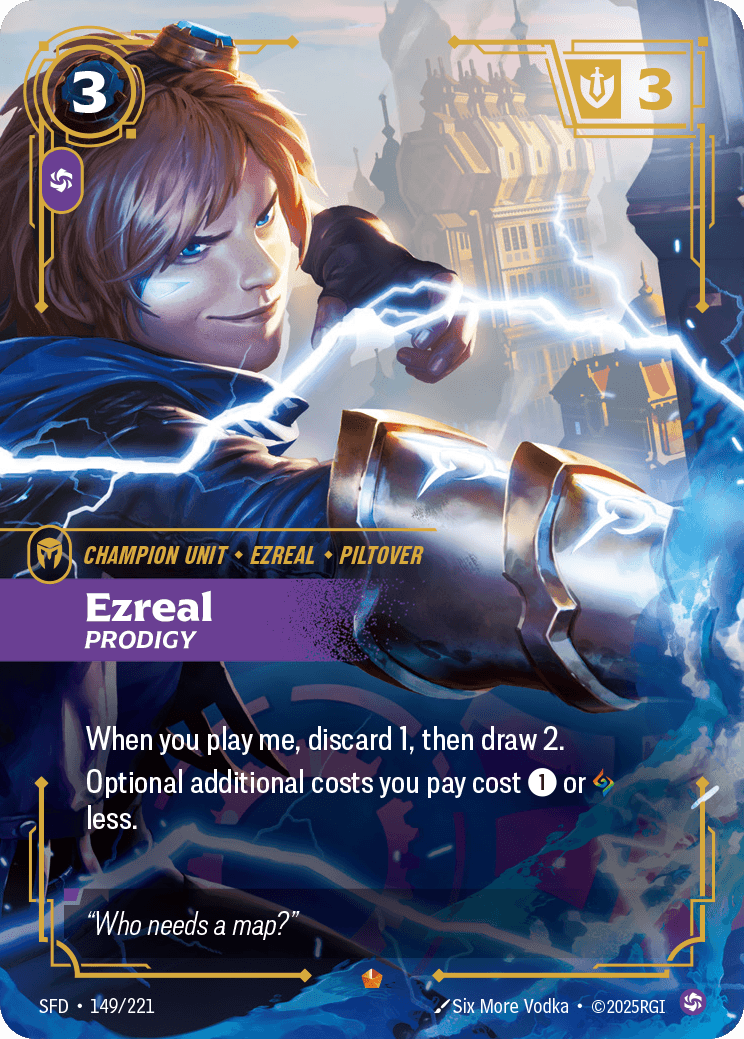
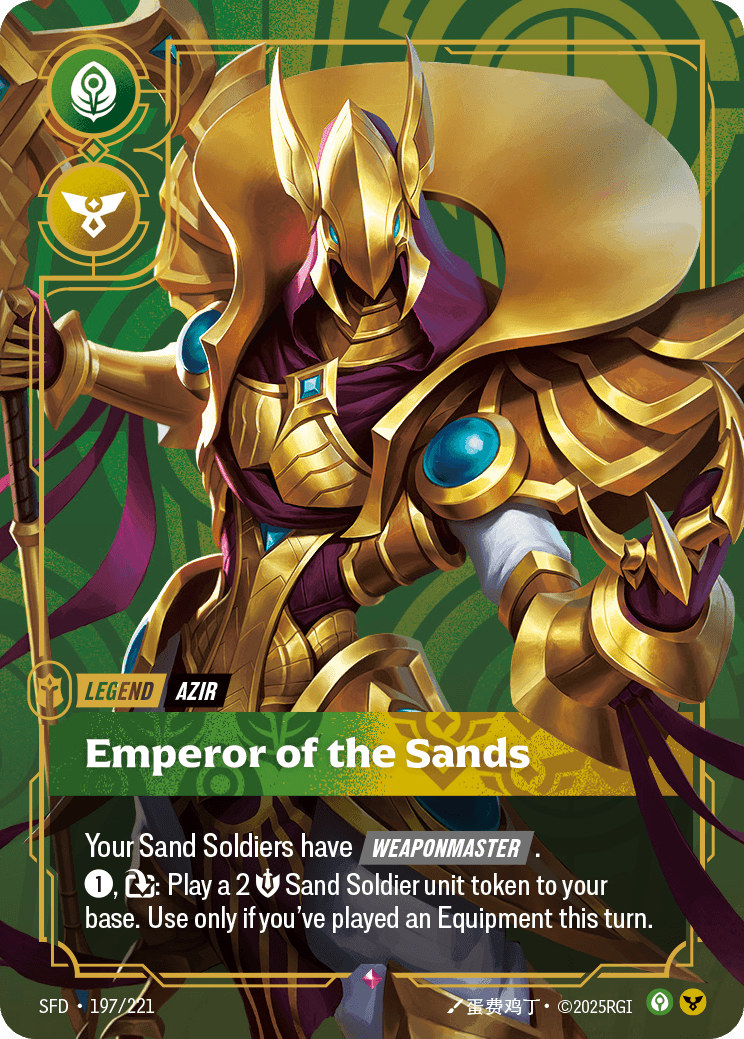
Riftbound agility deck searches usually mean one thing: players want a fast deck that moves well, contests early, and wins battlefield races before slower lists stabilize.
Use the Riftbound card database to search for movement, ready, Ganking, Ambush, Accelerate, combat tricks, and cheap units.
Agility Deck Core Jobs

Calm/Chaos Legend
Yasuo - Unforgiven
Yasuo-style movement gives agility decks a clear example of speed, repositioning, and battlefield pressure.
An agility shell should cover five jobs.
- Early units that can enter battlefields quickly.
- Movement or ready effects that change combat math.
- Combat tricks that punish blocks and bad attacks.
- Cheap interaction for the opponent's stabilizing unit.
- A way to keep pressure after the first wave trades.
If the deck is only fast but cannot recover, it folds to one good answer. If it is too midrange, it stops being an agility deck.
Suggested Shell
Start testing with this structure.
- 12 to 16 early units.
- 6 to 8 movement, ready, or reposition effects.
- 6 to 8 combat tricks or cheap interaction.
- 4 to 6 card-flow, recursion, or reload tools.
- 4 to 6 payoff threats that convert early battlefield control into points.
You want most opening hands to play to the board quickly while still threatening a trick.
Mulligan Plan
Keep hands with early board presence and one way to alter combat. A hand with three tricks and no unit is bad. A hand with units but no way to break a stalled battlefield is also risky.
Against control, prioritize pressure and reload. Against midrange, prioritize combat math. Against other fast decks, prioritize clean trades and cheap interaction.
What To Avoid
Do not overcommit to one battlefield unless you know the opponent cannot punish it. Agility decks often lose when they turn a speed advantage into a pile of units at the wrong location.
Do not cut all late cards either. You need a way to finish if the first pressure wave only gets part of the job done.
Bottom Line
A Riftbound agility deck should feel fast, but not flimsy. Build pressure, movement, and tricks around a real scoring plan, then test whether the deck still wins after the opponent answers the first attack.