That is useful news, but it needs an evidence label. Riot has not published a Houston recap or final decklist article in the sources reviewed. The table is therefore a preliminary public standings signal, not proof that LeBlanc won Houston or that any one list is now the best deck. China’s Shenyang Regional Open adds a second, similarly useful warning: Akali, Irelia, Kennen, and Vex are still making the final testing conversation impossible to ignore.
Here is the clean split between what is confirmed, what is preliminary, and what RiftStorm thinks players should test next.
Houston Is the First Post-Ban US Question, Not a Finished Tier List
Riot’s September ban announcement made two changes effective on September 18: Ekko, Recurrent and Stacked Deck entered the Standard and Constructed 2v2 ban list. Riot explained that Ekko enabled an unhealthy infinite style in Lux combo decks, while Stacked Deck had become an efficient consistency tool across Chaos strategies and compounded Kennen’s card-selection engine.
The Houston event began the next day. Its organizer advertised a constructed tournament with a Top 16 single-elimination finish, and the current public standings page labels the event finished. That timing makes the event valuable: it is an early look at how players adjusted once the two cards were unavailable.
It is not enough to answer every competitive question. The public standings do not give us a Riot-published Houston recap, a complete verified decklist set, or a trustworthy event-level win-rate table. We will not fill those gaps with guesses. The responsible headline is narrower: several Legends are already showing up at the top of the first large US post-ban table.
What the Published Houston Standings Show
The current public table’s leading rows are:
- 1st row: GYATarina on LeBlanc, 12-0-2, 26 points.
- 2nd row: Sand Bird on Azir, 12-2-0, 27 points.
- 3rd row: Antyn Vejil on Jayce, 10-1-2, 26 points.
- 4th row: Taylor Raflowitz on Fiora, 10-1-2, 26 points.
- 5th row: Mohamed Mohamed on LeBlanc, 9-2-1, 25 points.
- 6th row: Collin Kaiser on Akali, 9-2-1, 25 points.
- 7th row: Koko Lopez on Kennen, 9-2-1, 25 points.
- 8th row: Joey Nguyen on Irelia, 9-3-0, 24 points.
The same published table continues with another Irelia, another Kennen, Viktor, and another Jayce among its next four rows. That shape is the real story. The top eight rows contain seven different Legends, and the early table includes both new post-ban questions and the benchmark decks players were already preparing for.
Do not call those rows a confirmed playoff Top 8. The event’s public records expose standings, while the organizer’s advertised structure used a Top 16 cut. Until an official final recap or a complete bracket is available, we should describe this as a leading standings snapshot. That distinction protects the useful signal without upgrading it into a result the evidence cannot prove.
LeBlanc Is the Clearest Houston Riser
LeBlanc is the most immediate deck to put into a US testing room. She appears in both the first and fifth rows of the current table, which means the signal is not one isolated name at the top. It is still not a confirmed win, and it is not a field-share claim. It is a repeat appearance in the part of the standings players are watching.
The practical question for a LeBlanc test is not whether to copy an unverified Houston list. No complete Houston decklist is available in the evidence used for this article. The practical question is whether your deck can keep making progress while an opponent develops a flexible threat, protects a future scoring turn, and asks you to spend interaction before the real exchange begins.
Use LeBlanc as a sequencing test. Play games where you track the first turn you lose the initiative, the first answer you spend without gaining a battlefield, and the first time your board cannot recover after an even trade. If the loss comes from your deck being unable to create pressure while holding interaction, changing one narrow sideboard card will not solve the structural problem.
That is strategy inference, not a claim about the exact Houston build. RiftStorm does not have a current first-party LeBlanc tournament list to publish as a deck package, so start with the card database for legal card identity and build a provisional test in the deck builder rather than treating this standings signal as a finished list.
Azir and Jayce Turn the Signal Into a Broader Story
Azir is the second important Houston name. Sand Bird’s 12-2-0 row sits directly behind the leading LeBlanc row, and Azir also received a positive official regional signal in Riot’s Singapore recap: Riot says Azir was one of the Legends whose presence increased from Day 1 to Day 2. That does not prove the Houston list is the same shell. It does make Azir a repeat test across sources rather than a one-event curiosity.
Azir should be tested for whether your deck can contest a board that keeps developing without spending every answer on the first threat. Record whether you can force a meaningful exchange before the opponent’s value turn, then whether you can score after trading. A removal plan that answers one unit but leaves you unable to contest the next battlefield is not enough.
Jayce is the more surprising Houston riser. He appears in the third row and again in the twelfth row of the published table. Two Jayce names near the top are enough to earn games before Los Angeles, but not enough to justify a claim that Jayce is established at the top of Vendetta. Treat Jayce as a high-priority unknown: learn what the deck is trying to protect, what kind of battlefield it wants, and whether your answers line up with the turns where its pressure actually matters.
Riot’s Los Angeles preview gives Jayce extra visibility for a different reason: the event’s Top 128 promo is Jayce, Brilliant Inventor. That is an event-reward detail, not competitive evidence. Keep those facts separate. Houston makes Jayce worth testing; the promo does not make Jayce a proven metagame leader.
Fiora Is the Quiet Combat Signal
Fiora’s fourth-row Houston showing is easy to overlook because the headline names are LeBlanc, Azir, and Jayce. It should not be ignored. A combat-focused Legend near the front of a post-ban standings table asks a different question from the engine decks: can your list contest a clean battlefield exchange without relying on a single narrow answer?
China’s Shenyang coverage also places Fiora among the Legends that reached Day 2, although it does not give us a confirmed Shenyang Top 8 finish for her. That is exactly the right confidence level. Fiora has enough cross-region visibility to deserve testing, but not enough evidence here to become a new tier label.
When you test Fiora, do not evaluate only whether you can remove her. Evaluate what remains after the fight. If your answer trades down on board or leaves the opponent free to score the next battlefield, the matchup problem is tempo rather than removal. That is a useful lesson even if your local Fiora list differs from the Houston build.
Akali, Kennen, and Irelia Keep the Benchmark Honest
The emerging names do not erase the established test decks. Akali, Kennen, and Irelia all appear in the leading Houston rows, and each has additional regional context.
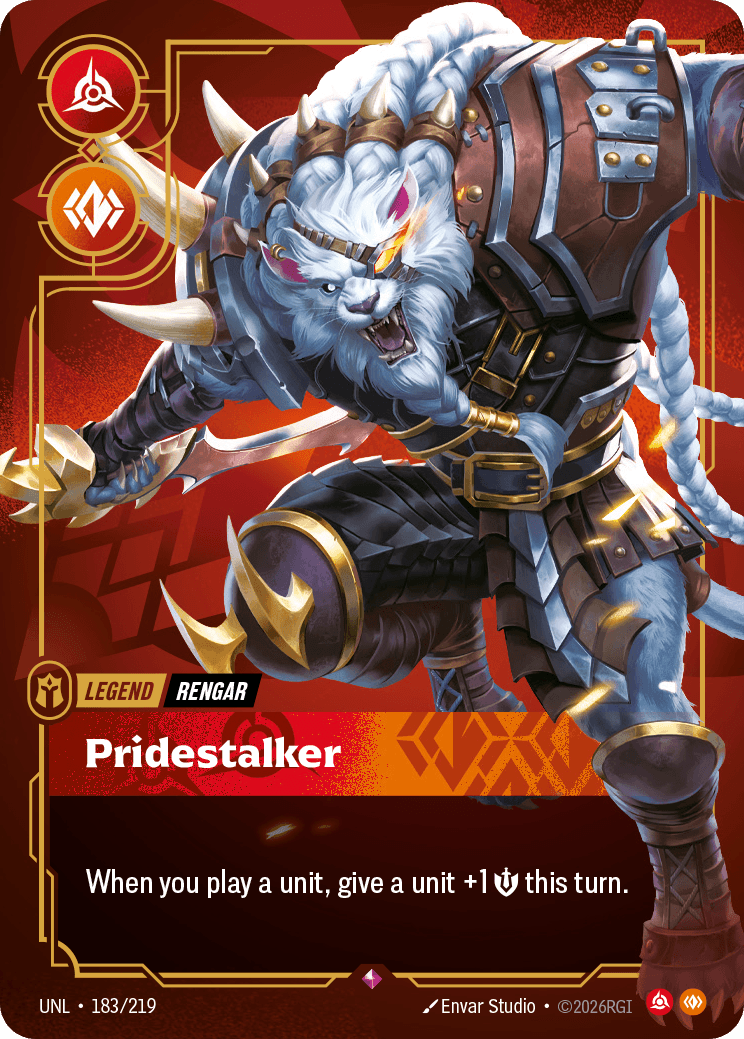
Riot’s Singapore Top Decks recap confirms that Gorica won Singapore with Akali and that the Top 8 contained five Kennen lists, two Master Yi lists, and one Akali. That is confirmed Regional evidence for two different ideas at once: Akali can convert, and Kennen remains the benchmark players must prepare to face.
Irelia adds a third pressure shape. She appears twice in the first twelve Houston rows and was also the reported Shenyang finalist. Do not read that as a claim that Houston and Shenyang used the same deck. Read it as a reason to keep movement and battlefield-tempo games in the gauntlet while the format is still adjusting to the bans.
A good US testing queue therefore has two lanes:
- Emerging post-ban questions: LeBlanc, Azir, Jayce, and Fiora.
- Proven or repeating benchmarks: Akali, Kennen, Irelia, and Master Yi.
The first lane tells you what the new table may be asking. The second tells you whether your deck is actually ready for a large event.
What Shenyang Adds From China
The S4 Shenyang Regional Open gives the US story a useful second lens. A public event page lists 1,191 players and 1,093 decklists. Public result coverage reports Akali as the winner, Irelia as the finalist, Kennen reaching the Top 4, and Vex reaching the Top 8. It also records Master Yi among the Top 8 Legends.
Those final placements are not yet backed by a Riot recap in the sources reviewed, so they belong in the preliminary column. The lesson is still valuable. Shenyang did not produce a single exotic answer that makes Houston irrelevant. It put familiar strategic problems next to a new conversion: Akali’s movement pressure, Irelia’s battlefield tempo, Kennen’s repeatable engine, Vex’s less-obvious control angle, and Master Yi’s tall-threat test.
China therefore supports a broader US preparation plan rather than a copy-paste decklist. The region is showing that the format can reward different ways to create a scoring window. The question for a US player is not whether China has a secret tier list. It is whether your deck can play against more than one map shape without turning its sideboard into a pile of cards that only work against Kennen.
For comparison, Riot’s Barcelona Top Decks report and Singapore report give the confirmed Western regional spine: multiple Kennen appearances, Master Yi late-table presence, and champions such as Ornn, Rengar, Azir, and Akali converting in different ways. Houston and Shenyang add new questions to that spine; they do not invalidate the confirmed results.
The Pre-Los Angeles Testing Plan
Riot confirms that Los Angeles runs September 25–27 as the final 2026 Vendetta Regional Qualifier. The window is short, so test by job rather than by hype.
1. Pass the Kennen test
Start with the deck that your list is most likely to face and the engine Riot specifically said needed a targeted adjustment. Test the first battlefield, the first major value turn, and the recovery turn after an even trade. If your deck only wins when Kennen misses a key sequence, it is not ready.
2. Add LeBlanc and Azir
Use the leading Houston rows as the reason to add these matchups now. Do not ask whether your deck has a perfect answer to one card. Ask whether you can maintain progress while preserving interaction for the turn that actually determines the score.
3. Add Jayce and Fiora
These are your unknown and combat checks. Jayce tests whether your interaction lines up with a less familiar pressure sequence. Fiora tests whether your list can win a fair battlefield exchange without losing the next score. Keep notes on the turn you lose initiative, not just the card that dealt the final damage.
4. Keep Akali and Irelia in the room
Akali has a confirmed Singapore trophy and a preliminary Shenyang win report. Irelia has a preliminary Shenyang final appearance and multiple Houston leading rows. Both can punish a testing plan built only around static boards.
5. Finish with Vex and Master Yi
Vex’s Shenyang Top 8 is a preliminary breakout signal, while Master Yi remains a confirmed recurring regional test from Riot’s recent coverage. Use those games to find out whether your sideboard is too narrow after it has been tuned for the most visible names.
This is a gauntlet order, not an official tier list. It is also not a decklist. For exact card text and legal card identity, use the Riftbound card database; for a test version, use the deck builder; for matchup roles, compare the Riftbound Counters and decks meta snapshot.
Confirmed, Preliminary, and Inferred
Confirmed by Riot: Ekko, Recurrent and Stacked Deck were banned effective September 18; Singapore was won by Akali with five Kennen decks in its Top 8; and Los Angeles is the final Vendetta Regional Qualifier on September 25–27.
Preliminary from current public event records: the Houston leading standings rows, the 608-player event count shown on that standings page, and the reported Shenyang Akali win, Irelia final, Kennen Top 4, Vex Top 8, and Master Yi Top 8.
RiftStorm inference: LeBlanc, Azir, Jayce, and Fiora deserve immediate US testing; Akali, Kennen, Irelia, Master Yi, and Vex keep the benchmark broad. None of that is a published field share, win rate, verified Houston champion result, or current tournament decklist.
Bottom Line: The Post-Ban Field Is Asking More Than One Question
Houston’s public standings do not give us permission to declare a new best Riftbound deck. They do give us a strong early preparation signal. LeBlanc appears twice in the leading rows, Azir sits directly behind the leader, Jayce appears twice near the top, and Fiora opens a fair-combat lane. Akali, Kennen, and Irelia keep the established benchmark visible.
Shenyang reinforces the message from China: Akali can convert, Irelia remains a real pressure deck, Kennen keeps reaching the late stages, and Vex is now worth testing instead of dismissing. Riot’s confirmed Singapore and Barcelona results keep that context grounded, while the official Los Angeles schedule gives players one last week to turn questions into reps.
The best next move is not to copy an unverified Houston list. It is to build a gauntlet that can answer engine pressure, movement, combat, and unfamiliar value turns in the same tournament. Replace any preliminary Houston claim when an official bracket or decklist recap arrives, then track whether LeBlanc, Azir, Jayce, Fiora, or Vex repeats at Los Angeles.
Official Sources and Method
- Riot: September Ban List Updates — effective date and Riot’s reasons for banning Ekko, Recurrent and Stacked Deck.
- Riot: Singapore’s Top Decks — confirmed Akali win and Kennen-heavy Top 8.
- Riot: Barcelona’s Top Decks — confirmed Vendetta regional comparison.
- Riot: All Eyes on Los Angeles — September 25–27 event dates, stakes, and coverage.
Houston and Shenyang are labeled preliminary because the public standings and result summaries consulted for this article are not Riot final recap pages. The article intentionally avoids unverified decklists, field shares, win rates, quotes, and card-mechanic claims.