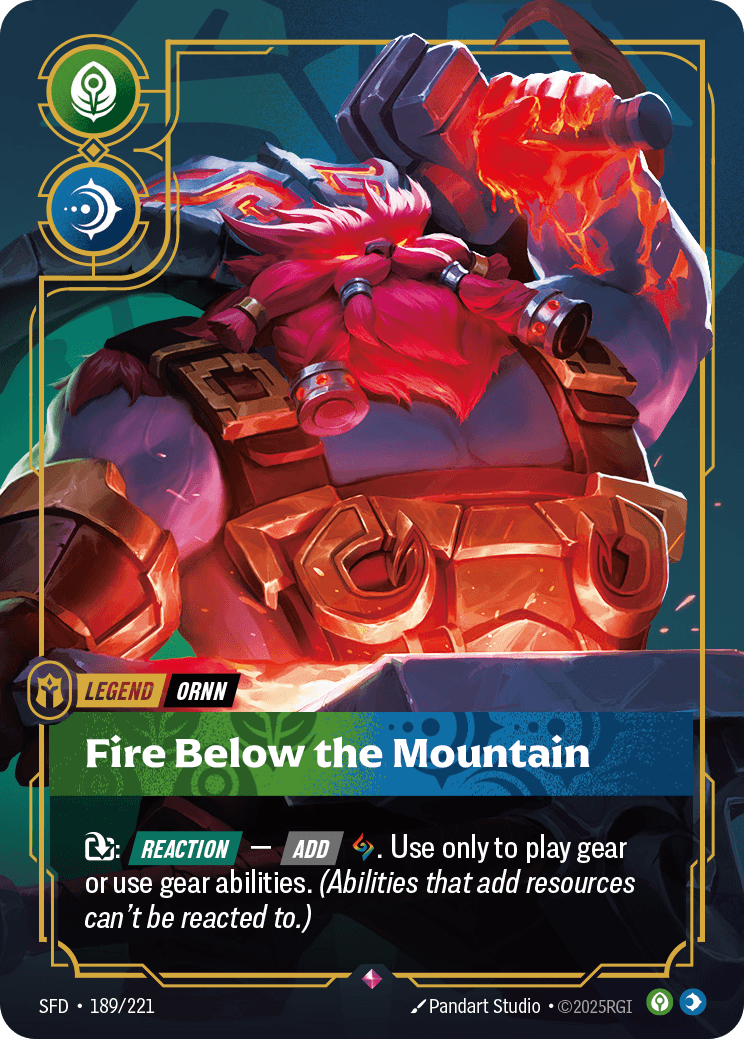
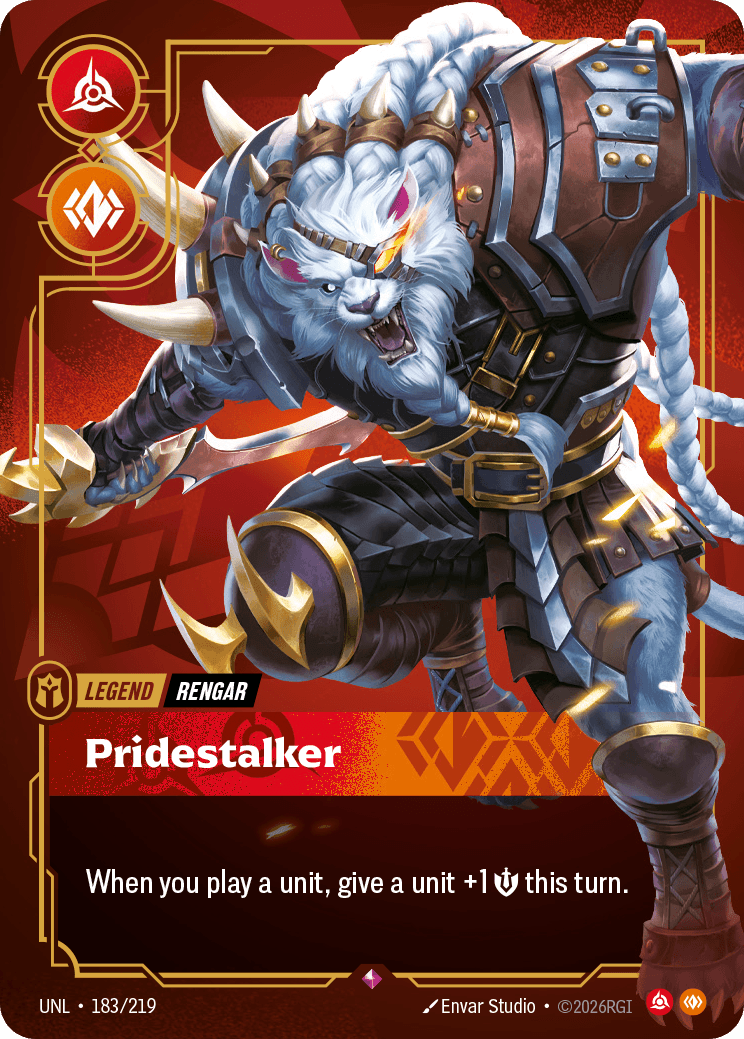
Gorica won the Singapore Regional Qualifier on Akali, Rogue Assassin, finishing 14-1-1 and defeating DSG AwesumRosum on Kennen in the final. The official UVS event record lists 2,054 players in the Constructed Regional Qualifier. Public final standings show four Kennen lists, two Master Yi lists, Akali, and Fiora in the Top 8.
That is the useful headline for US players preparing for the final 2026 Regional Qualifier in Los Angeles: Akali is no longer just an interesting Vendetta rogue, but Kennen is still the deck setting the room's questions.
The Singapore result does not mean every player should abandon their current deck for Akali. It means the testing order needs to change. Kennen remains the first matchup. Master Yi remains the second recurring threat. Akali now deserves the same serious reps as the decks that have already won Barcelona, Milwaukee, and Wuhan.
The Singapore Result in One Sentence
Akali won the trophy, Kennen owned the conversion, and the rest of the Top 8 says that Vendetta rewards decks that can attack the expected game plan without giving up a reliable route to points.
The public bracket reported the following shape:
- Gorica won on Akali with a 14-1-1 record.
- DSG AwesumRosum finished second on Kennen with a 14-1-1 record.
- Master Yi reached the Top 4.
- Four Kennen lists reached the Top 8.
- Fiora also reached the Top 8 with an 11-3 record.
The field size matters because this was not a tiny weekend event where one clever list could hide inside a friendly pairing run. Riot advertised Singapore as a $25,000 Regional Qualifier at Singapore EXPO, with Regional Championship invitations, cash prizing, and a full Best-Of reward pool. The official event record confirms the scale.
The final decklists are still not a complete public data set, so this article treats Singapore as a conversion and testing signal rather than a finished win-rate table. A Top 8 count is useful. It is not permission to turn a single tournament into a permanent tier list.
Kennen Is Still the First US Gauntlet Test
Kennen lost the final again, but that is not the same as falling out of the top tier of practical threats. In Singapore, the Heart of the Tempest put four pilots into the Top 8 and one of them reached the final at 14-1-1. That is the kind of result that makes a deck the format's measuring stick even when it does not receive the champion photo.
The Vendetta sequence is now hard to ignore:
- Barcelona went to Ornn, while Kennen occupied three Top-8 seats.
- Wuhan went to Irelia, while Kennen occupied the next two places in the reported final standings.
- Singapore went to Akali, while Kennen occupied half of the Top 8 and took the final.
Three different Legends have now interrupted Kennen's trophy path, but no major result has made Kennen disappear from the last rounds. That distinction is the entire US preparation lesson. If your list can beat Akali but cannot answer the Kennen engine, it is not ready for Los Angeles. If it beats Kennen but folds to every movement or proactive scoring deck, it has solved the headline and lost the room.
US players should therefore test Kennen for repeatable pressure, not for one dramatic answer. The important questions are whether you can contest the first battlefield, force awkward Flow timing, and still have enough interaction when the Kennen player turns a small lead into a second scoring turn. A sideboard card that only matters after Kennen is already ahead is not a plan.
Akali Has Crossed From Rogue to Real
Akali's Singapore win is not an isolated surprise. It is the payoff at the end of a short but meaningful climb. Akali showed a Top-16 signal around Barcelona, reached the Wuhan Top 8, and then won the Singapore Regional Qualifier. The progression matters more than the label rogue.
The strongest Akali lists are asking a clean strategic question: can the pilot use movement, Empower, and precise interaction to create a scoring turn that the opponent cannot answer efficiently? The deck does not need to win every battlefield at once. It needs to make its movement matter twice—once as a way to conquer and again as a way to punish the unit or battlefield left behind.
That is why Akali is particularly valuable for US testing. Many players will prepare for a static Kennen board or a single tall Master Yi threat. Akali forces them to evaluate the map as a sequence. A removal spell that looks excellent against a unit can be too slow if the Akali pilot has already moved, dealt the relevant damage, and opened a new scoring route.
Do not copy the champion's exact 56-card package without understanding the plan. Instead, test the pressure points that make the deck work:
- Can you contest the first battlefield without spending your only flexible answer?
- Can you keep a second unit ready after Akali moves and clears a path?
- Can you answer an Empowered threat without letting the pilot reconquer for free?
- Can you punish a hand that spends too many resources on movement instead of development?
If your deck cannot answer those questions, the problem is not that Akali is a surprise deck. The problem is that your list is not interacting with battlefield tempo on the turn it matters.
Master Yi Is Still Mandatory, but Not the Trophy Leader
Master Yi continues to occupy the uncomfortable middle ground between high floor and incomplete conversion. Singapore put two Master Yi lists into the Top 8, with Ekpilot reaching the Top 4. That is enough to keep the Wuju Bladesman in every serious testing room. It is not enough to treat the deck as the only choice.
The current Vendetta story has repeatedly separated registration power from trophy conversion. Master Yi remains popular because the deck is proactive, legible, and capable of turning one committed threat into a winning battlefield sequence. Opponents still need a plan for that turn. But the last major results have also shown that pilots who prepare for the tall threat can use other shells to navigate the final rounds.
For US players, the Master Yi test is simple to describe and difficult to fake: show that your deck can survive the turn when one unit becomes too important to ignore, then keep enough resources to score afterward. If your answer leaves you with no board, you may have technically removed the threat while still losing the game.
Master Yi belongs second in the gauntlet because it is both common and structurally important. It does not belong first because the data now shows at least three different ways to beat a room that respects it.
Fiora Is the Quietest Singapore Signal
Fiora did not win Singapore, but her Top-8 appearance is one of the more useful deckbuilding clues in the result. The reported 11-3 finish follows a fourth-place showing in Wuhan, giving Fiora a second consecutive deep China-and-APAC signal while the larger names absorb most of the attention.
Fiora is valuable as a test because she punishes players who build only for engines and obvious combat patterns. A list that spends every answer on Kennen's Flow cards can find itself unable to manage a clean duel sequence. A list that keeps every unit small to avoid a tall-threat exchange may struggle when Fiora converts a single combat into a lasting board advantage.
The conclusion is not that Fiora is now a guaranteed tier-one deck. The conclusion is that the US gauntlet should include at least one disciplined combat deck that pressures the opponent's sequencing instead of asking only whether the opponent has an engine.
What Singapore Changes for US Players
The US does not have a new Regional Qualifier result in this immediate window. PAX West offered demos, Sealed events, and side-event play, but those are not a comparable Constructed data set. The next US premier checkpoint is Los Angeles on September 25–27, the final Regional Qualifier on Riot's 2026 calendar.
That gives American players a clear preparation window. Build the gauntlet around the decks that have already shown the ability to reach the last rounds, then use Akali as the newest stress test. My first eight testing seats would be:
- Kennen — the recurring conversion leader and the deck most likely to punish an unfocused sideboard.
- Master Yi — the tall-threat benchmark that still appears in every major cut.
- Akali — the new champion whose movement and Empower plan now has a Regional trophy.
- Rengar — the Milwaukee winner and a direct test of proactive scoring.
- Ornn — the Barcelona winner that proved a low-share gear shell can punish Kennen preparation.
- Irelia — the Wuhan winner and the cleanest battlefield-movement benchmark from China.
- Azir — the repeated conversion deck that keeps surviving shifts in the expected field.
- Fiora — the combat-focused riser that reached the Top 8 in both Wuhan and Singapore.
This is a testing queue, not a final tier list. It deliberately contains the most common threat, the most common tall threat, the newest winner, the recent Western champions, and the Chinese conversion signals. A player who can only beat the first two decks is not finished. A player who can only beat Akali is also not finished.
The Akali Matchup Is a Map Problem
Most Akali testing errors come from treating the deck as ordinary Fury aggression. The pressure is not only damage. It is the ability to turn movement into both removal pressure and scoring pressure while the opponent is still calculating the old board.
When you test the matchup, record the first turn where Akali changes the map. Did she move an attacker into a battlefield you thought was safe? Did the movement trigger clear the unit you were relying on to hold the next turn? Did you spend a reaction on the wrong target because the board looked stable before the move?
Your sideboard should have jobs rather than a pile of cards that happen to mention units. Good jobs include early battlefield contest, a clean answer to the empowered threat, protection for a unit that must survive the move, and a way to recover after Akali has forced an awkward exchange. The exact card choices depend on your Domains, but the jobs remain visible across builds.
There is also a sequencing lesson for the Akali pilot. If the deck spends movement only to rescue a losing battlefield, it may run out of pressure before the final score. If it spends every trick on the first exchange, it can lose to a slower deck that holds its interaction for the actual reconquest turn. The matchup is about recognizing which movement creates points rather than merely creating activity.
China Is Validating the Same Answer Tree
The supporting China result is the S4 Wuhan Regional Open, a 1,280-player event with a much larger recorded field than a normal local tournament. The reported Top 8 was Irelia first, Kennen second and third, Fiora fourth, Akali fifth, Azir sixth, and Diana seventh and eighth.
That ordering adds useful context to Singapore. China is not presenting a completely unrelated Vendetta format in which the Western results stop mattering. The same central threat is present—Kennen—and the same broad answer families keep appearing around it: battlefield tempo, proactive scoring, efficient combat, and Legends that can turn a prepared room against itself.
The China angle also keeps the Akali win in proportion. Akali had already entered the Chinese Top 8 before Singapore, so the Regional trophy is a conversion milestone rather than a card-pool miracle. Fiora shows the same pattern from a different direction. Irelia remains a trophy-level benchmark. Azir and Diana remain strong tests even when they are not the headline.
US players should use China as supporting evidence, not as an excuse to copy every regional list. The more useful question is whether your local deck can play the same structural games: fight for the first battlefield, preserve interaction through the opponent's engine turn, and convert a small opening before Kennen or Master Yi makes the board too expensive to recover.
Do Not Turn One Akali Trophy Into a New Autopilot
The easiest bad conclusion from Singapore is that Akali has replaced Kennen. The second-easiest bad conclusion is that Kennen is overrated because it has lost three finals. Both statements throw away the important information.
Kennen is still the safer deep-run choice because it occupies so much of the late table. Akali is now the more important surprise test because it has demonstrated that a prepared pilot can carry a movement-and-value shell through the same room. The decks are doing different jobs in the metagame. One tells you what the field expects. The other tells you whether your answer to that expectation is actually coherent.
A sensible pre-Los Angeles gauntlet should therefore ask two questions at the same time:
- Can this deck beat Kennen often enough without weakening its entire plan?
- Can this deck punish the Kennen hate cards when the opponent switches to Akali, Rengar, Ornn, or Fiora?
If the first answer is no, fix the matchup. If the second answer is no, trim narrow cards and return to flexible interaction. The goal is not to guess the champion. The goal is to make your deck functional against the shape of the field.
The Other September Riftbound News US Players Need
The Singapore result is the competitive headline, but Riot also announced a practical Organized Play change for anyone planning future events. Starting September 14, PlayRiftbound.com becomes the home for finding, registering for, and running Organized Play events instead of carde.io. Players will use Riot IDs, and Riot says player history is being migrated with UVS and carde.io.
That change matters before Radiance Pre-Rift registration. Create or confirm your Riot account before you need to register, then check the new event tools when they launch. It should not change the current Vendetta deck gauntlet, but it can affect how quickly US players find local events and qualify for the next testing cycle.
Riot's 2026 roadmap lists Los Angeles for September 25–27 and calls it the final Regional Qualifier of the year. The Singapore preview also confirms the event's high-stakes structure: a $25,000 prize pool, $6,000 for the champion, Regional Championship invitations, and a large Best-Of reward pool. The remaining weeks are enough time to improve a matchup plan; they are not enough time to test every card without a priority order.
The Best US Testing Routine Before Los Angeles
Use a short loop instead of trying to solve every possible list. Start with one deck you intend to play, then run a focused set against Kennen, Master Yi, Akali, and one proactive pressure deck. After each match, record the first decision that cost you a battlefield. Was it a missing early unit, a bad Domain sequence, a removal spell aimed at the wrong target, or a refusal to trade while you were still ahead?
Then change only one or two cards. If you change ten cards after every set, you are measuring unfamiliarity rather than matchup improvement. The Singapore result is a reminder that small sequencing edges can survive even when the room knows the Legend exists.
A good three-session plan looks like this:
- Session one: play the stock version against Kennen and Master Yi. Find out whether the core deck can contest the expected field before sideboard help.
- Session two: add Akali and Fiora. Focus on movement, combat math, and the cost of spending interaction too early.
- Session three: add Rengar, Ornn, Irelia, and Azir. These games test whether the sideboard is too narrow and whether your deck can recover when the opponent's threat is proactive rather than engine-based.
That routine creates a more useful answer than a hurried tier list. It tells you which cards actually create losses in your hands, which matchups require a different plan, and which popular deck is only popular because you have not played enough games against it.
Bottom Line
Akali winning Singapore is the biggest new Vendetta signal of the week, but Kennen remains the center of the US meta. Gorica's Akali went 14-1-1, defeated a 14-1-1 Kennen in the final, and completed Akali's climb from Barcelona and Wuhan deep finishes to a Regional trophy. Four Kennen and two Master Yi lists still made the Top 8, while Fiora added another quiet deep finish.
For US players, the correct response before Los Angeles is not to swap blindly into Akali. It is to rebuild the testing order: Kennen first, Master Yi second, Akali third, then Rengar, Ornn, Irelia, Azir, and Fiora. China supports the same broad read through Wuhan's Irelia win and its Kennen, Fiora, Akali, Azir, Diana, and Master Yi Top 8.
Vendetta is not solved. It is becoming legible. Kennen is the field's reliable tree, Akali is the latest proof that the forest has open paths, and the next US Regional Qualifier will reward the players who test both facts at once.
Build and Test on RiftStorm
Use RiftStorm's card database to read the current Akali, Kennen, Master Yi, Fiora, Rengar, Ornn, Irelia, and Azir packages, then build the gauntlet in the deck builder. Browse the live Riftbound decks, compare archetype pressure in Riftbound Counters, and use the meta snapshot to keep your local testing queue organized.
Official Sources and Methodology
- Riot: All Eyes on Singapore — event dates, venue, prizing, and coverage.
- UVS Games: official Singapore Regional Qualifier event record — official event format and 2,054-player field record.
- Riot: Barcelona's Top Decks — official comparison point for the first Vendetta Regional Qualifier.
- Riot: 2026 Roadmap — Los Angeles dates and the final 2026 Regional Qualifier schedule.
- Riot: Introducing the New PlayRiftbound.com — September 14 Organized Play platform transition.
- Riot: Riftbound at PAX West 2026 — demo, Sealed, and side-event context that should not be treated as a new US Constructed Regional result.
The Singapore Top 8 and Wuhan supporting standings in this article use the public final bracket and result reports available on September 7, 2026. Because not every decklist and match-level data point is public, the article emphasizes placements, field shape, and testing implications rather than copying computed third-party win-rate claims.