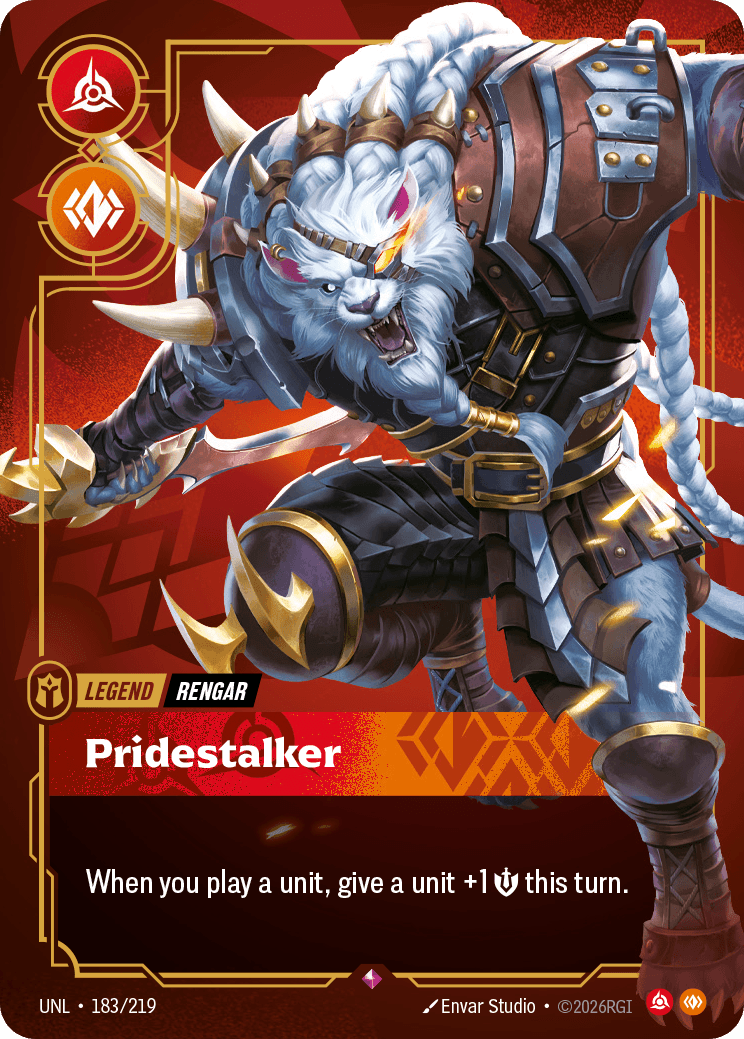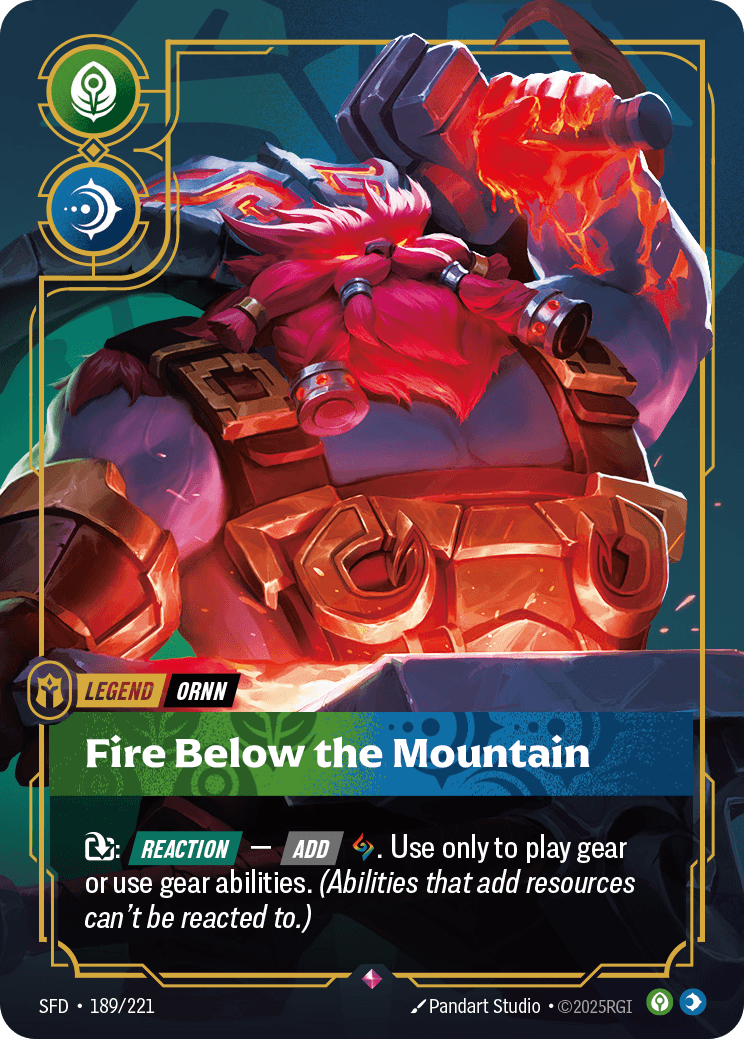
The latest US story is not simply "Rengar won again." It is that Rengar and Master Yi are now the two most important conversion signals coming out of the Milwaukee Showdown, while Kennen remains the matchup that keeps showing up whenever the bracket gets serious. The latest global result adds an even better twist: Ornn won the 2,224-player Barcelona Regional Qualifier, beating Kennen in the final and turning a deck many players treated as a gear-engine curiosity into the most important new test of the week.
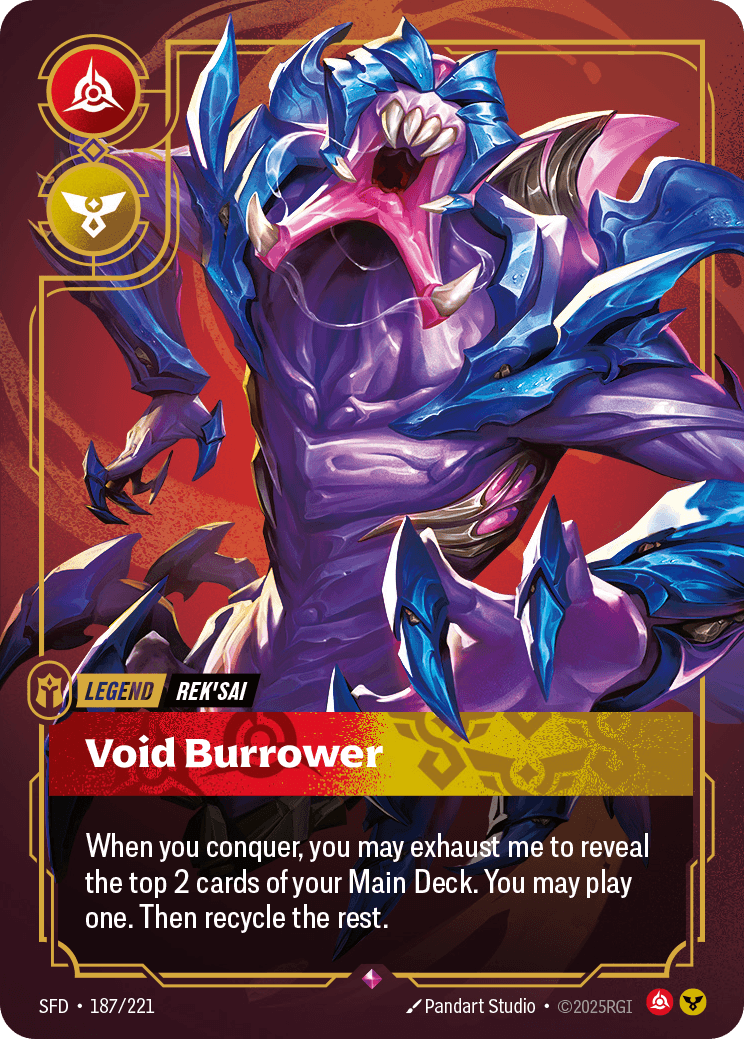
China supplies the supporting pressure. Its August 15-16 City Challenge results continued to put Master Yi and Kennen into deep finishes, but also added Diana, Rek'Sai, Fiora, Jayce, Kha'Zix, and Ornn to the list of decks a US player can no longer dismiss as local experiments.
That gives us a clear practical conclusion for August 24, 2026:
- Rengar and Master Yi belong at the front of every US Vendetta gauntlet.
- Kennen is still the central matchup, even when it does not win the event.
- Ornn is the breakout deck most likely to punish a room built only for fast pressure.
- China is showing that Diana, Rek'Sai, Fiora, Jayce, and Kha'Zix can occupy the spaces a narrow North American queue leaves open.
The format is not solved. It is finally starting to show its real shape.
Milwaukee Gives The US A Two-Deck Conversion Story
The Milwaukee Showdown was the most useful North American Vendetta event of the weekend. Public result feeds currently disagree on the exact ordering of the final standings: the imported standings and decklist analysis put Jaraoh's Rengar run at the top, while the organizer's published social recap lists Tim Hatch's Master Yi first and two Rengar decks immediately behind. That data is not synchronized well enough to pretend the ordering is cleaner than it is.
The overlap is still strong enough to matter. Rengar and Master Yi were the defining decks at the top of the event, and the published Top 8 mix also included two Kennen lists, Irelia, Draven, and Ornn. In other words, the result is not a single rogue deck escaping a soft room. It is a large US field rewarding both a proactive Fury/Body pressure shell and the established tall-threat plan, while the most familiar Vendetta matchup remained heavily represented.
The public standings export records Jaraoh's Rengar at 12-1-0 for 36 points. That is an exceptional individual run even if a later event recap presents the final ordering differently. The Rengar table also shows 32 pilots and a combined 145-106-3 match record, which is a useful warning against overselling the deck as unbeatable. Rengar can produce a huge ceiling in the hands of a prepared pilot, but the field still contains real counter-pressure.
That distinction is important. A deck can be the weekend's most exciting winner and still have a matchup profile that makes it a poor blind choice for every player. The correct headline from Milwaukee is therefore:
Rengar is a repeatable conversion threat, and Master Yi is still a real trophy deck.
That is much more useful than declaring either one the only deck worth playing.
Why Rengar Keeps Appearing At The Top
Rengar's continued conversion makes sense when you look at the problem the deck creates rather than the result graphic alone. Rengar is Fury/Body pressure-midrange built around reaction-speed units, surprise bodies, and a legend ability that makes every unit play change combat math. The visible board is rarely the complete board.
A US player preparing for Rengar has to answer four questions before each important showdown:
- Can Rengar add a reaction-speed attacker to the battlefield I am already fighting over?
- Can an Ambush body appear where my units stand and turn a normal trade into a score?
- Can a free reposition move the important body to the lane I left open?
- Does the legend pump make the Might total different from the number I counted before the action?
That is why Rengar is converting even while its overall field record remains beatable. The deck punishes players who prepare for a static board. It does not need to win every game by raw card advantage. It needs to make one supposedly safe attack or block become the wrong decision, then turn that tempo gap into a point.
The Milwaukee list data also points to a recognizable core. The Rengar decks that performed best were built around a Fury/Body pressure package with Inferna, Irresistible Faefolk, Kai'Sa, Survivor, Nidalee, Cat Form, Noxus Hopeful, Pit Rookie, Punch First, Thrill of the Hunt, First Mate, and Ferrous Forerunner appearing across the resolved lists. Kinkou Initiate, Grim Apothecary, Pyke, Dockside Butcher, Sabotage, and Rampage formed the near-universal support layer in the public Rengar table.
That is not a command to copy one exact 40-card list. It is the important strategic shape: efficient bodies, reliable combat pressure, movement, and enough flexible interaction to make the opponent respect a board that can change after commitment.
Rengar's main weakness is that its surprise math is not equally good against every deck. The Milwaukee matchup table showed the pressure deck struggling more against Draven, Diana, and Kennen than against softer engine or off-angle pairings. That gives US players a real counter lesson. Do not try to beat Rengar by making your deck generally bigger. Beat it by making the first few fights awkward, forcing Rengar to defend, and refusing to let one battlefield become the entire game.
Rengar is a front-of-gauntlet deck because it is dangerous and because it teaches you how much of your deck's combat plan depends on the board staying still.
Master Yi Is Not A Previous-Set Relic
Master Yi has spent enough of Vendetta being described as popular, familiar, or merely still playable. Milwaukee is the point where that language needs to change. Whether you use the imported standings or the organizer's Top 8 recap, Master Yi is in the event's top conversion conversation. China then reinforces the signal with another Master Yi win in Shenyang on August 16 and a first-place Beijing result on August 15.
The deck's appeal is not novelty. It is that Master Yi asks a clean question that remains difficult to answer: can your deck contest a battlefield without spending every premium answer before the decisive commitment turn?
A Yi pilot is happy when the opponent panics early. If you use removal on the first large body because it is the first legal target, you may be empty when the actual scoring turn arrives. If you wait too long, Yi can turn a single tall threat into a point and a better resource position. That tension is why Master Yi remains a mandatory test even after the room has learned the deck.
The current US read should therefore separate two ideas:
- Kennen is the matchup-density leader. You are likely to face it because players keep registering it and because it keeps reaching deep standings.
- Master Yi is the conversion benchmark. You need to know whether your deck can stop a practiced Yi pilot from making one commit turn decide the game.
A list that beats Kennen but loses to Master Yi is not fully prepared. A list that beats Master Yi but cannot survive Rengar's reaction-speed pressure is also not ready. Milwaukee is valuable because it put those questions in the same final-stage conversation.
Kennen Still Owns The Question Everyone Must Answer
The fact that Kennen did not take the visible Milwaukee trophy should not lower its testing priority. Kennen appeared twice in the published Top 8 mix, then reached the Barcelona final. That is exactly what a matchup boss looks like: not necessarily the deck with the most dramatic single result, but the deck that remains present while every other archetype is trying to prove itself.
Kennen's current strength comes from the way Vendetta lets it reuse resources and turn selection into repeated battlefield pressure. The deck can make the opponent answer an apparently small board while it filters, replays, and keeps enough flexibility to punish a pass. If your deck only has a plan for the first Kennen body, you do not have a plan for Kennen.
The preparation rule is simple: test your deck against Kennen after you have already tested it against Rengar and Master Yi, not instead of them. Rengar checks whether your combat math survives sudden bodies. Master Yi checks whether your answer timing survives a tall threat. Kennen checks whether your deck can keep playing after the first exchange fails to settle the board.
Kennen is also the best reason not to overreact to Ornn. The Barcelona final proves Ornn can win the matchup. It does not prove Kennen stopped being one of the format's central decks. A healthy gauntlet needs both sides of that result.
Barcelona Turns Ornn From Curiosity Into A Real Test
Barcelona was the first Vendetta Regional Qualifier and drew 2,224 players. That is not a small invitational where a strange list can hide behind a narrow bracket. It is one of the strongest public tests of the set's early Constructed identity.
Mateo Ferreira, known as TheManLand, won the event on Ornn, Fire Below the Mountain. CTCG Koko Lopez reached the final on Kennen. The Top 8 also included a second Kennen, Azir, and Master Yi, which makes the Ornn result more useful than a simple rogue-deck headline. The list won in a field that still contained the format's established pillars.
Ornn is the emerging deck US players should learn before the result becomes common knowledge. The deck is a Calm/Mind gear engine that turns early setup into a larger Forge God payoff. Fire Below the Mountain changes the deck's rune timing, gear enablers repair its card flow, and Ornn - Forge God converts the gear count into both Might and protection. Shurelya's Requiem then creates the kind of ready swing that makes a stable board suddenly worth more than the opponent expected.
The important question is not whether Ornn is now automatically the best deck. The important question is whether your current list can pressure Ornn before its engine becomes self-reinforcing.
A normal slow hand is dangerous against Ornn because every free turn gives the deck another gear, another dig, or another chance to make Forge God arrive with a protection tax. But an answer pile is not automatically correct either. Deflect 2 means the cleanest response is often a combat line, a bounce or move-to-base effect, or a removal spell you can afford to cast after paying the extra runes.
The first US Ornn test should cover three windows:
- Turns one through three: Can you contest the gear enablers and stop free conquers?
- The Forge God turn: Can you answer the payoff before Weaponmaster and a large gear count turn it into a protected scoring body?
- The Shurelya's turn: Can you survive the ready effect without giving Ornn two combats from one board?
If a deck fails all three tests, it is not ready for a post-Barcelona room. If it passes only the first, it may still lose the game to the payoff.
Ornn also changes sideboard math. Players who filled every slot with narrow Kennen or Master Yi answers now have to ask whether those cards do anything against a gear engine that wins through combat, attachments, and a six-cost payoff. A good sideboard can still target the popular decks, but it needs flexible early pressure and an answer that does not become embarrassing when Forge God is protected.
The next Ornn result matters more than this one. If another pilot converts in a large US Showdown or a Summoner Skirmish, Ornn moves from breakout to pillar. If the deck disappears once the room starts contesting its early gear bodies, Barcelona remains a brilliant metagame call rather than a permanent tier-one verdict.
China Adds A Wider Set Of Questions
China's latest results are useful because they do not simply mirror Milwaukee or Barcelona. The public event feed recorded seven Vendetta City Challenges across August 15-16, totaling 856 players: Beijing, Nanjing, Shenyang, Shanghai, Guangzhou, Qingdao, and Tianjin. That is enough volume to build a watchlist, but not enough reason to flatten every result into one global ranking.
Shenyang is the clearest repeat-threat signal. Master Yi won the 128-player City Challenge. Rek'Sai took second, while Kennen reached third, fifth, and seventh. Fiora finished fourth, Jayce sixth, and Kha'Zix eighth. That is a remarkable amount of information from one Top 8: the established threat is still converting, the known emerging pressure deck is still present, and three under-discussed Legends are showing up exactly where a US player wants to discover them — before they become the obvious next imports.
Qingdao tells a different story. Diana won the 115-player event, Kennen took second, and Master Yi finished third. Ornn also reached fourth in the nearby Tianjin City Challenge, which gives the Barcelona result a small but useful China-side echo. Ornn is not only a single European surprise; it is also appearing in the same Chinese release-week ecosystem where players are testing the gear engine under different local incentives.
The China takeaway is therefore not "play Diana instead of Rengar." It is:
- Diana deserves fresh reps because she won a 115-player event and still attacks the board from a different tempo angle.
- Rek'Sai remains a cross-region pressure check after Ottawa and Shenyang.
- Fiora and Jayce are the kind of low-share decks that punish a gauntlet built only around the visible winners.
- Kha'Zix belongs in the rogue-pressure slot because it continues to appear in deep early-Vendetta results.
- Ornn has now earned both a Barcelona win and China-side conversion attention.
There is one structural caveat. City Challenges in China often use best-of-one stages, so the incentive structure is not identical to a large North American best-of-three Showdown or a Regional Qualifier. A deck that maximizes a strong opening or punishes a single-game matchup can overperform in that environment. Use the results to find questions and matchups, then confirm them in best-of-three testing before assigning a tier label.
That caveat makes the data more useful, not less. It keeps US players from copying a list for the wrong reason while still giving them a much better answer to the question, "What am I not testing?"
What Milwaukee, Barcelona, And China Agree On
Three regions and event types are now pointing at the same structural truth: Vendetta rewards decks that convert a board state into a point before the opponent can reset the battlefield. They simply do it through different engines.
Rengar uses surprise bodies, reaction-speed pressure, and combat math that changes after commitment. Master Yi uses a tall-threat plan that makes answer timing matter. Kennen uses selection and replay to keep asking questions after the first exchange. Ornn uses gears and rune timing to turn early setup into a protected payoff. Diana, Rek'Sai, Fiora, Jayce, and Kha'Zix fill the gaps with different forms of tempo, combat, or off-angle pressure.
That is why the current meta cannot be summarized by a simple popularity list. The matchup axes are too different. A deck can be excellent against Rengar and still lose to Ornn because it has no way to punish the gear turn. A list can be built to answer Forge God and still lose to Kennen because its early cards are too slow. A deck can beat both popular threats and still lose a tournament to Fiora or Kha'Zix because it has never played the combat pattern.
The practical preparation goal is coverage. Make sure your testing room contains:
- A reaction-speed pressure deck.
- A tall-threat commitment deck.
- A selection-and-replay engine.
- A gear or attachment engine.
- A battlefield swarm or conquer engine.
- A low-share combat specialist.
That is the real metagame map coming out of the weekend.
The US Vendetta Gauntlet For August 24
If I were preparing a serious US event this week, I would test in this order:
- Kennen — the matchup-density leader that reached the Milwaukee and Barcelona endgames.
- Master Yi — the conversion benchmark reinforced by Milwaukee and multiple China wins.
- Rengar — the pressure deck with the highest current ceiling and a repeat-conversion story.
- Ornn — the Barcelona winner that punishes slow setup and narrow removal.
- Draven — the pressure floor that continues to appear in top US results and checks weak openings.
- Rek'Sai — the cross-region emerging deck that taxes narrow answers and still converts.
- Diana — the China-backed tempo test that creates different combat decisions from Rengar.
- Irelia — the familiar battlefield benchmark that remains in the deep-finish mix.
- Fiora and Jayce — Shenyang's off-angle checks for players whose sideboards only target the headline four.
- Kha'Zix, Nasus, and LeBlanc — the wider Vendetta queue, supported by China and recent tournament conversion.
This list is deliberately broader than a tier list. It is a test queue. The first four answer the major current questions. The next six stop you from losing to a deck that looked too small to deserve a slot.
If time is limited, do not cut Ornn first because the deck is new. Cut the third or fourth redundant mirror session. One well-played Ornn set teaches you more about whether your deck can interact with a gear engine than another casual Kennen game teaches you about the same opening pattern.
Sideboard Jobs For The New Vendetta Room
The ten-card sideboard is valuable only when each slot has a job. A sideboard built before Barcelona can be too narrow now because it assumes every important game is a pressure mirror.
Reserve the first group for the room's density decks: Kennen and Master Yi. You need cheap interaction or battlefield bodies that matter before those decks reach their preferred setup turns.
Use the next group for Rengar, Draven, Rek'Sai, and Diana. These decks punish hands that are powerful later but unable to contest the first battlefield. Your sideboard cards should either arrive early, make a block safer, or let you keep pressure after the first exchange.
Keep a flexible gear and engine package for Ornn, Nasus, and LeBlanc. Do not fill those slots with narrow answers that only function against one expensive payoff. A card that contests early, removes an enabler, or changes combat is more valuable than a perfect answer you cannot cast before the opponent scores.
The final slots should respect the China-side specialists. Fiora, Jayce, and Kha'Zix do not need to be the most popular decks to cost you a tournament. If your main deck has no way to make their first combat awkward, use the sideboard to create one.
A useful discipline is to write the post-board plan before you register. For each deck, identify:
- The first card you are happy to see in the opening hand.
- The first battlefield you must contest.
- The card you cannot spend before the scoring turn.
- The answer that still works if the opponent changes lanes.
- The card you cut when the opponent is on the play.
This forces the sideboard to support real play patterns instead of becoming a graveyard for cards that look clever in a deck editor.
What To Watch Next
The next useful week of Vendetta data should answer five questions.
First, does Rengar keep converting after Milwaukee, or does the field's new respect for the deck push it into a lower ceiling? The most important evidence will be another large best-of-three result, not a handful of local undefeated screenshots.
Second, does Master Yi remain the best answer to the current board-development problem? The deck has now returned to the top conversation, but the key is repeat performance across different rooms.
Third, can Ornn put another pilot into a deep finish once US players start contesting the gear enablers? The deck's long-term status depends less on the Barcelona trophy than on whether its early turns remain reliable under pressure.
Fourth, does Kennen remain the most common endgame opponent? Barcelona's final says yes for now, but regional and Summoner Skirmish registration data will show whether players move toward Rengar, Yi, Ornn, or the China-side specialists.
Fifth, which China breakout crosses into North American play first? Rek'Sai already made that jump. Diana, Fiora, Jayce, and Kha'Zix are the names to watch if US players begin importing the Shenyang and Qingdao lists.
Riot's Showdown Series announcement explains why these events matter: they are sanctioned competitive steps between local play and premier events. Riot's Barcelona preview sets the Regional Qualifier context for the first major Vendetta weekend. The lesson for players is simple: weight the largest best-of-three fields most heavily, then use China and smaller events to discover the next problem before it becomes popular.
Build And Test On RiftStorm
Turn this article into reps on RiftStorm. Use the card database to read the exact text for Rengar's reaction-speed kit, Master Yi's tall threats, Kennen's replay engine, and Ornn's gear package. Build your current deck and a dedicated Ornn test shell in the deck builder. Browse Riftbound decks for public shells, then use Riftbound Counters to map the matchups that are most likely to decide your next event.
For Ornn specifically, goldfish the first six turns before you test games. Learn when Fire Below the Mountain changes the deck's rune timing, how quickly the gear count grows, and which turn Forge God becomes a real answer-or-lose threat. Then play the matchup from both sides. If your deck loses to the gear engine but wins when Ornn stumbles, you have not tested the matchup yet.
For Rengar, practice calling the extra body before each important combat. For Master Yi, practice identifying the answer you cannot spend early. For Kennen, practice playing the turn after your first answer trades down. Those drills are more valuable than another hour of opening hands with no stated question.
Bottom Line
The current Riftbound Vendetta story is a four-way pressure map, not a solved tier list. Milwaukee keeps Rengar and Master Yi at the front of the US conversion conversation. Kennen remains the matchup that refuses to leave the top tables. Barcelona gives Ornn the most important emerging-deck result of the week by winning a 2,224-player Regional Qualifier. China adds Diana, Rek'Sai, Fiora, Jayce, Kha'Zix, and another wave of Master Yi and Kennen results.
If you want one practical conclusion, use this one: test Kennen, Master Yi, Rengar, and Ornn first, then spend your remaining reps on Draven, Rek'Sai, Diana, and the China-side specialists before you call your Vendetta preparation complete.